
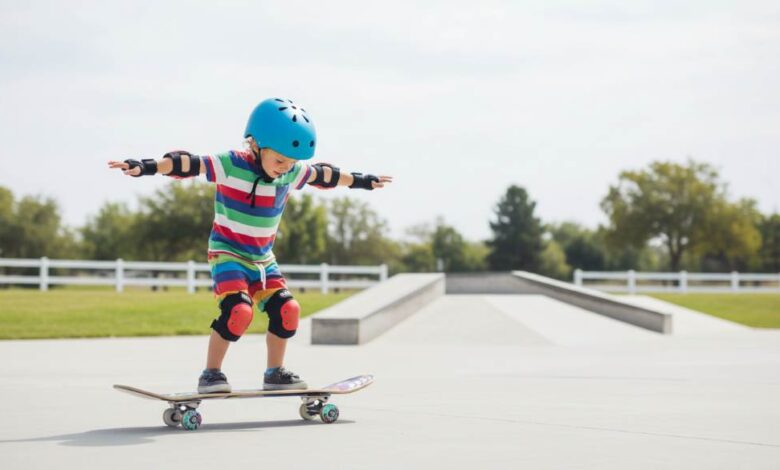
Imagine your child gliding down the sidewalk with a big smile, feeling the thrill of their first skateboarding adventure. Skateboarding builds confidence, improves balance, and encourages outdoor play. Yet, picking the right board matters a lot for safety and fun. Parents often wonder how to start. This guide helps you select a beginner skateboard for kids that fits well and reduces risks. According to the National Institutes of Health, up to 75 percent of hospitalized skateboarders suffer head injuries. Meanwhile, Oregon Health & Science University reports that four in five injuries on skateboards involve kids under 15, with over 60 percent preventable through proper gear and choices. Therefore, focus on safety from the start. We cover everything from types to features, ensuring your little one enjoys skating securely.
Why Safety Comes First in Skateboarding for Children
Safety shapes every decision when introducing kids to skateboarding. Children love the excitement, but falls happen often. Research shows that proper equipment cuts injury risks sharply. For instance, helmets and pads protect vital areas during tumbles. Parents play a key role here. They guide choices that match a child’s age and skill level. Additionally, understanding common hazards builds awareness. Uneven surfaces or poor board quality lead to accidents. However, selecting sturdy designs prevents many issues. Studies from the Centers for Disease Control and Prevention highlight how helmets reduce head trauma by up to 85 percent in wheeled sports. Thus, prioritize boards with reliable components. This approach fosters positive experiences. Kids learn faster when they feel secure. Moreover, safe practices extend beyond the board itself. Supervision and gradual learning matter too. Overall, a thoughtful selection process turns potential dangers into enjoyable lessons.
Accidents often stem from mismatched equipment. Young riders need boards that handle their weight and movements easily. Oversized options cause loss of control. Smaller ones offer better maneuverability for beginners. Furthermore, materials influence durability. Cheap plastics crack under pressure, while quality woods hold up well. Experts recommend starting with complete setups. These come pre-assembled for immediate use. Yet, check for smooth edges and secure fittings. Loose parts pose serious threats. In fact, a study from the University of Utah Health emphasizes protective gear alongside board choice. Wrist guards alone prevent fractures in many cases. So, combine smart selections with habits. Teach kids to scan for obstacles. This builds responsibility early. Consequently, skating becomes a safe hobby. Families bond over shared adventures. Ultimately, safety empowers children to explore confidently.
Different Types of Skateboards Ideal for Young Beginners
Variety exists in skateboard designs, but not all suit kids new to the sport. Classic cruisers work well for starters. They feature wider decks for stability. Longboards offer smooth rides over longer distances. However, avoid penny boards for very young children. Their small size challenges balance. Instead, opt for mini cruisers. These provide a gentle introduction. Plastic models resist water and dings. Wooden ones deliver better grip. Additionally, consider hybrid styles. They blend features for versatility. Parents should match types to intended use. Sidewalk cruising differs from park tricks. For example, a soft-wheeled board glides over cracks easily. This reduces vibrations that unsettle beginners. Moreover, electric options tempt some families. Yet, stick to manual versions for skill-building. Kids develop coordination through pushing and steering. Thus, simple types encourage active play.
Exploring options reveals preferences. Some children favor colorful graphics. Others prioritize lightweight builds. Nevertheless, focus on safety ratings. Boards certified by organizations meet standards. The American Academy of Pediatrics advises against street skating for under-tens. So, choose types for controlled environments. Backyards or driveways serve as perfect starting spots. Furthermore, retro shapes inspire fun. They echo classic designs with modern tweaks. Riders feel nostalgic yet secure. In contrast, aggressive shapes suit advanced users. Beginners benefit from forgiving profiles. These tolerate errors without harsh consequences. Case studies show kids progressing faster on appropriate types. One parent shared how a mini board boosted their child’s confidence. Weekly practice turned hesitation into enthusiasm. Therefore, test a few if possible. Local shops often allow demos. This hands-on approach ensures the best fit.
Essential Features That Make a Skateboard Safe for Kids
Key elements define a safe board. Start with the deck. It forms the foundation. Look for concave shapes that cradle feet. Flat decks slip easily. Moreover, grip tape covers the top. Coarse textures prevent sliding. Smooth applications avoid bubbles. Trucks connect wheels to the deck. Aluminum ones endure impacts. Steel versions add weight unnecessarily. Bearings spin wheels smoothly. ABEC ratings indicate quality, but focus on sealed types. They resist dirt. Wheels matter too. Soft durometers absorb shocks. Hard ones suit smooth surfaces only. Additionally, size affects speed. Larger diameters roll over pebbles effortlessly. This setup minimizes trips.
Details enhance reliability. Rounded edges reduce cuts. Reinforced tails withstand drops. Furthermore, bushings cushion turns. Softer ones allow easy steering for small riders. Hardware secures everything. Stainless steel bolts resist rust. Check for flush mounting to avoid snags. Graphics add appeal without compromising function. Yet, ensure non-toxic paints. Kids touch boards often. In a real-world example, a family avoided injury by choosing padded features. Their child fell but bounced back quickly. Thus, inspect assemblies carefully. Pre-built completes save time. Custom builds allow personalization. However, beginners thrive on ready-to-ride options. Safety certifications guide choices. They confirm tested strength. Overall, these features create a protective platform. Children explore limits safely. Parents relax knowing risks drop.
Sizing Your Child’s Skateboard for Optimal Control and Comfort
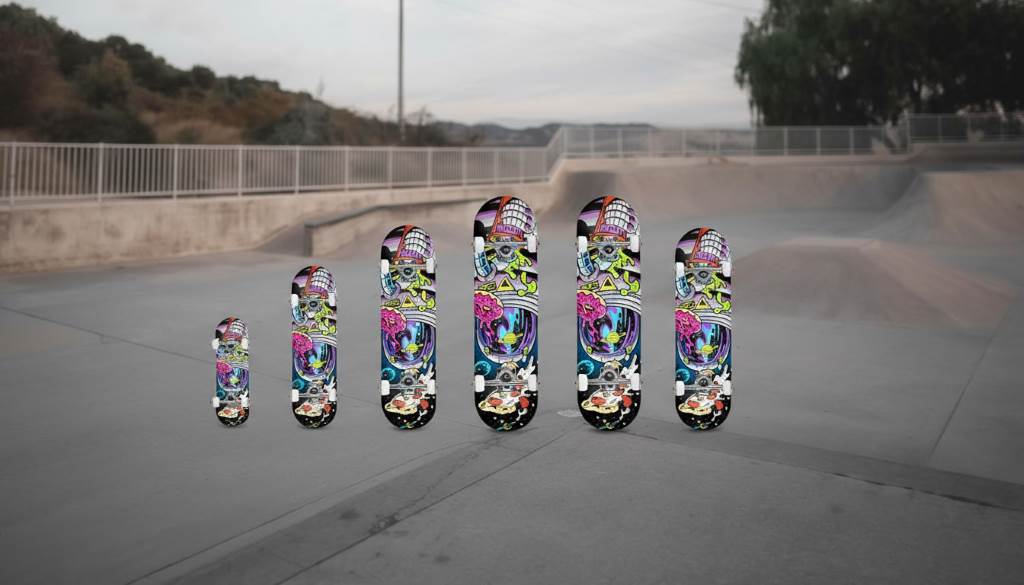
Proper size ensures control. Measure height first. Shorter kids need narrower decks. Typically, 7 to 8 inches wide suits most under 10. Length ranges from 28 to 32 inches. Taller children handle longer boards. Wheelbase influences stability. Wider spacing steadies rides. Narrow ones turn sharply. Additionally, consider shoe size. Feet should fit without overhang. This prevents ankle rolls. Growth spurts complicate matters. Select versatile sizes for longevity. Yet, avoid oversized models. They overwhelm beginners. For instance, a 6-year-old thrives on micro boards. These measure under 27 inches.
Fitting sessions reveal needs. Have kids stand on boards. Knees bend slightly. Arms hang naturally. Furthermore, weight distribution matters. Lighter riders prefer flexible decks. They respond better. Stiffer ones suit heavier kids. Balance tests help. Push gently and observe. Wobbles signal poor fit. Adjustments fix issues. Swap trucks if needed. Stories from parents highlight successes. One adjusted size mid-season. Their child gained speed confidently. Thus, revisit fits regularly. Bodies change fast. Comfort breeds enjoyment. Kids stick with activities they master. So, prioritize ergonomics. This foundation supports safe progression. Families notice differences quickly. Proper sizing transforms awkward starts into smooth glides.
Materials and Construction: What Builds a Durable Beginner Board
Quality materials last longer. Maple wood layers form strong decks. Seven plies resist breaks. Bamboo adds flexibility. It absorbs impacts well. Plastic composites suit wet conditions. They warp less. Epoxy resins bind layers tightly. This prevents delamination. Additionally, concave presses shape boards. Heat-treated woods maintain curves. Construction techniques vary. Pressed molds ensure uniformity. Hand-shaped options offer custom feels. Yet, mass-produced ones meet standards reliably. Look for even finishes. Rough spots indicate flaws.
Durability tests prove worth. Drop boards from low heights. Listen for cracks. Furthermore, flex checks reveal strength. Push down centers. They spring back. Warped decks signal problems. Examples abound in reviews. Families praise sturdy builds after months of use. Kids drop boards often. Resilient materials forgive errors. Thus, invest in proven constructions. Certifications confirm safety. ASTM standards guide. They test for toxins too. Children deserve non-harmful options. Overall, solid builds inspire trust. Parents encourage practice. Kids push boundaries safely. Materials set the stage for adventures.
Wheels, Trucks, and Bearings: The Heart of a Smooth Ride
Components drive performance. Wheels determine traction. Polyurethane construction grips surfaces. Durometer scales measure hardness. 78A to 85A suits beginners. Softer rolls quiet. Larger sizes, 52mm to 56mm, conquer bumps. Trucks steer precisely. Kingpins adjust tightness. Loose for turns, tight for stability. Aluminum alloys lighten loads. Bearings enable spins. Ceramic ones run cooler. Steel versions suffice for starters. Additionally, spacers prevent wobbles. They align wheels.
Setup tweaks optimize rides. Clean bearings regularly. Dirt slows spins. Furthermore, tighten trucks gradually. Kids adapt over time. Stories illustrate benefits. A beginner swapped soft wheels. Rough paths became fun. Thus, match parts to environments. Parks need grippy setups. Sidewalks favor cruisers. Maintenance keeps things rolling. Inspect for wear. Replace cracked wheels promptly. This prevents failures. Overall, quality parts enhance safety. Smooth rides reduce falls. Children focus on fun. Parents appreciate reliability.
Reputable Brands Offering Safe Options for Young Riders
Trusted names deliver quality. Element crafts durable decks. Girl focuses on lightweight designs. Enjoi adds fun graphics. Real builds for progression. Additionally, Almost suits small frames. Plan B emphasizes stability. Independent trucks pair well. Powell Peralta revives classics. Sector 9 excels in cruisers. Blind innovates features.
Selections vary by needs. Research reputations. Forums share experiences. For example, a family chose Real for its strength. Their child skated daily without issues. Thus, brands matter. They back products with expertise. Kids benefit from proven designs. Explore lines for beginners. Many offer kid-specific models. This ensures fits. Overall, reputable choices build confidence.
Common Pitfalls to Dodge When Buying a Kid’s Skateboard
Mistakes happen easily. Rushing purchases leads to regrets. Assess needs first. Ignoring sizes causes instability. Measure accurately. Additionally, overlooking materials risks breaks. Choose robust options. Assuming all boards suit beginners ignores types. Select forgiving designs.
Poor assemblies invite dangers. Check fittings. Loose parts detach mid-ride. Furthermore, skipping safety checks endangers kids. Inspect thoroughly. Buying for looks alone disappoints. Function trumps style. Examples warn against errors. One parent fixed a wobbly truck post-purchase. Lessons learned. Thus, avoid haste. Research pays off. Kids enjoy safe starts.
Guiding Your Child Through Safe Skating Practices
Teaching builds skills. Start slow. Flat areas work best. Demonstrate pushes. Encourage small steps. Additionally, practice stops. Use feet gently. Balance drills help. Stand still first. Progress to glides.
Supervision matters always. Watch closely. Correct forms. Furthermore, gear up fully. Helmets lead the list. Pads protect joints. Stories inspire. A kid mastered basics in weeks. Confidence soared. Thus, patient guidance succeeds. Fun follows safety.
Related:
How to Use a Tech Deck Skateboard: Master Fingerboarding Like a Pro
How Does Skateboarding Boost Your Body Fitness
Keeping the Skateboard in Top Shape for Ongoing Safety
Maintenance preserves condition. Clean decks weekly. Wipe grip tape. Check trucks monthly. Tighten bolts. Additionally, rotate wheels. Even wear extends life. Store indoors. Moisture damages.
Inspections catch issues. Look for cracks. Replace worn parts. Furthermore, lubricate bearings. Smooth spins result. Examples show benefits. Regular care prevented breakdowns. Kids skated longer. Thus, habits ensure reliability. Safety lasts.
Conclusion
Choosing a safe beginner skateboard for kids involves understanding types, features, and fits. Prioritize materials, components, and brands for durability. Avoid common mistakes and teach proper practices. Maintenance keeps everything running smoothly. These steps reduce risks and boost enjoyment. Now, grab that board and head outside with your child for some fun skating time.
FAQs
What Age Should Kids Start Skateboarding?
Kids can start around 5 or 6 with supervision. Balance develops then. However, readiness varies. Look for interest and coordination. Begin with simple boards.
How Do I Know If a Skateboard Fits My Child?
Stand your child on it. Feet should align with edges. Knees bend slightly. Test balance. Adjust as needed for comfort.
What Safety Gear Do Beginners Need?
Helmets top the list. Add knee pads, elbow pads, and wrist guards. Proper fits matter. They cushion falls effectively.
Can Kids Use Adult Skateboards?
Avoid them. Adult sizes overwhelm small bodies. Opt for kid-specific models. They offer better control and safety.
Where Should Kids Practice Skateboarding?
Start in driveways or empty lots. Avoid streets. Parks with beginner areas work later. Supervision ensures safe spots.
References
- https://pmc.ncbi.nlm.nih.gov/articles/PMC4824795/
- https://pmc.ncbi.nlm.nih.gov/articles/PMC5391782/
- https://www.ohsu.edu/doernbecher/sports-and-recreation-safety
- https://healthcare.utah.edu/healthfeed/2024/06/skateboarding-injury-risks-prevention


