
Stepping into the world of skateboarding is exciting. However, choosing your first pair of skate shoes can feel overwhelming with countless options available. The right footwear makes a significant difference in your learning experience, comfort, and safety. This comprehensive guide will help you navigate the selection process and find the perfect pair to start your skateboarding journey.
Understanding What Makes Skate Shoes Different
Regular sneakers might look similar to skate shoes, but they serve entirely different purposes. Skate shoes are specifically designed to withstand the unique demands of skateboarding. They feature reinforced stitching in high-wear areas, especially around the ollie zone where your foot drags against the grip tape.
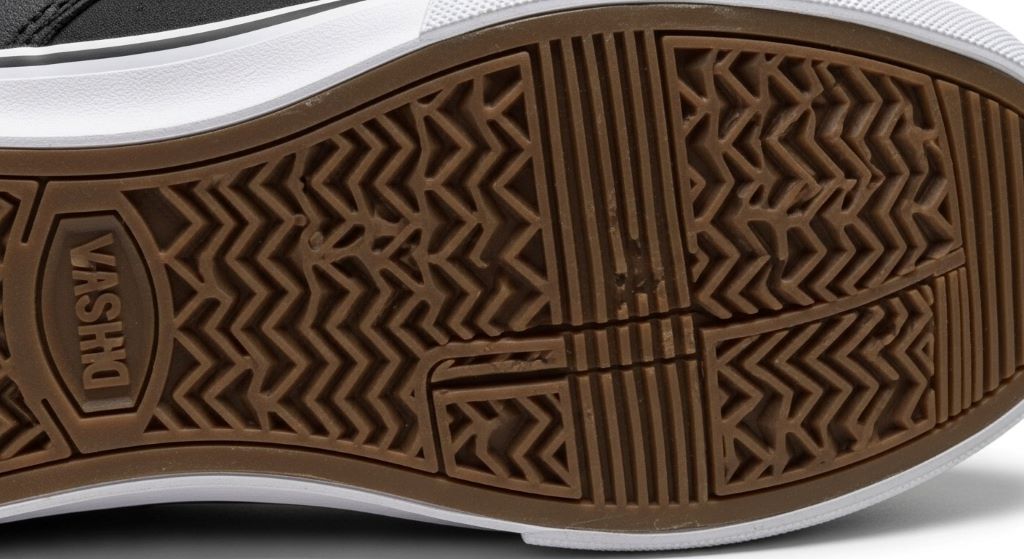
The construction includes vulcanized or cupsole designs that provide board feel and durability. Additionally, the grip patterns on the soles are engineered to stick to your skateboard deck. These specialized features make proper skate footwear essential for anyone serious about learning the sport.
Key Features to Look for in Your First Pair
When shopping for entry-level skate shoes, several critical features deserve your attention. Understanding these elements helps you make an informed decision that supports your skateboarding progression.
Durability and Construction Quality
Beginners often practice the same tricks repeatedly, which creates intense wear on specific shoe areas. Look for double or triple stitching along stress points. Suede uppers generally last longer than canvas, though they cost slightly more. Furthermore, toe caps provide extra protection where you need it most.
The sole construction matters tremendously. Vulcanized soles offer better board feel, making it easier to sense your deck beneath your feet. Cupsole designs provide more cushioning and support, which some beginners prefer. Therefore, consider trying both styles to see which feels more natural.
Grip and Traction
Your shoes need to stick to the grip tape without being too sticky. A good tread pattern provides the right balance. Most skate shoes feature flat soles with geometric patterns that maximize contact with your board.
However, avoid shoes with excessive tread depth. Deep grooves can catch on your board unexpectedly. The goal is consistent, predictable grip that allows smooth foot movement during tricks.
Comfort and Fit
You will spend hours in these shoes while learning. Consequently, comfort cannot be overlooked. The fit should be snug but not tight, with enough room to wiggle your toes. Your heel should not slip when walking or skating.
Break-in periods vary by shoe model. Some feel great immediately, while others need a few sessions to soften up. Additionally, consider the climate where you will skate. Breathable materials help in warm weather, whereas padded designs work better in cooler conditions.
Ankle Support Options
Skate shoes come in low-top, mid-top, and high-top styles. Low-tops offer maximum mobility and are the most popular choice for street skating. Mid-tops provide moderate ankle support without restricting movement significantly.
High-tops deliver the most ankle protection and support. They are particularly helpful for beginners who worry about ankle injuries. Nevertheless, they can feel restrictive when attempting certain tricks. Your skating style and personal preference should guide this decision.
Finding Affordable Options Without Sacrificing Quality
Budget concerns are real, especially when starting a new hobby. Fortunately, numerous affordable skate shoes deliver excellent performance without breaking the bank. Many reputable brands offer beginner-friendly options at reasonable prices.
Setting a Realistic Budget
Plan to spend between forty and eighty dollars for quality beginner shoes. This range provides access to reliable options from established skate brands. Going cheaper often means compromising on durability, which costs more in the long run when shoes wear out quickly.
However, spending over one hundred dollars as a beginner is unnecessary. Save premium models for when you have developed your skills and know exactly what you want. Therefore, focus on finding the sweet spot where quality meets value.
Shopping Strategies for Best Deals
Timing your purchase can save considerable money. End-of-season sales offer significant discounts on quality footwear. Previous year models often go on clearance when new designs arrive, yet they perform just as well.
Online retailers frequently run promotions and offer wider size selections than physical stores. Additionally, signing up for brand newsletters provides access to exclusive discounts and early sale notifications. Comparing prices across multiple retailers ensures you get the best deal available.
Recognizing Quality at Lower Price Points
Affordable does not mean inferior. Several indicators help identify quality shoes regardless of price. Check the stitching for consistency and reinforcement in key areas. Feel the materials to ensure they have substance and durability.
The sole should flex appropriately without feeling flimsy. Furthermore, examine the insole for adequate cushioning. Read reviews from other beginners to learn about real-world performance and longevity.
Breaking In Your New Skate Shoes Properly
Even the best shoes need a break-in period. This process helps the materials conform to your feet and ensures optimal performance. Rushing into intense skating sessions with brand-new shoes can cause discomfort and blisters.
Start by wearing your shoes around the house for short periods. This gentle approach allows the materials to soften gradually. Walk around your neighborhood to further break them in before heading to the skate park.
During your first few skating sessions, take frequent breaks. Your feet need time to adjust to the new footwear. Additionally, consider wearing slightly thicker socks initially to prevent friction and blisters. As the shoes mold to your feet, you can switch to your preferred sock thickness.
Maintaining Your Shoes for Longer Life
Proper care extends the lifespan of your footwear significantly. Simple maintenance habits make a substantial difference in how long your shoes last. This is particularly important when working with a limited budget.
Clean your shoes regularly to remove dirt and debris. Use a soft brush for suede materials and a damp cloth for other surfaces. Allow them to air dry naturally, avoiding direct heat sources that can damage materials and glue.
Rotate between two pairs if possible. This gives each pair time to fully dry and recover between sessions. Furthermore, store your shoes in a cool, dry place away from direct sunlight. Consider using shoe trees or stuffing them with paper to maintain their shape.
Common Mistakes Beginners Should Avoid
Learning from others’ mistakes saves time and money. Several common errors can derail your shoe selection process. Being aware of these pitfalls helps you make smarter decisions.
Prioritizing Style Over Function
Skate shoes should look good, but function comes first. Shoes that appear amazing but lack proper construction will fall apart quickly. Therefore, focus on features that enhance your skating rather than purely aesthetic elements.
That said, finding shoes you like aesthetically is important for motivation. Many functional options also look great. The key is not sacrificing performance for appearance.
Ignoring Proper Sizing
Shoes that do not fit correctly hamper your progression and cause discomfort. Always measure both feet, as they can differ in size. Try shoes on later in the day when your feet are slightly swollen for the most accurate fit.
Leave a thumb’s width of space between your longest toe and the shoe’s end. Additionally, walk around the store extensively before purchasing. A few minutes of standing does not reveal fit issues that emerge during actual use.
Buying Based Solely on Brand Names
While established brands have reputations for good reason, newer or less famous companies often produce excellent beginner shoes. Do not automatically dismiss a shoe because you have not heard of the brand.
Research the specific model rather than relying solely on brand recognition. Reviews, construction quality, and features matter more than logos. However, completely unknown brands with no reviews warrant caution.
When to Replace Your Skate Shoes
Knowing when to retire your shoes prevents injuries and maintains performance. Several signs indicate it is time for a new pair. Recognizing these signals helps you plan purchases and avoid skating in compromised footwear.
Visible holes in high-wear areas are obvious indicators. If you can see through to your socks, replacement is overdue. Additionally, separated soles or significant tread wear compromise grip and board feel.
Loss of cushioning affects comfort and impact protection. If your feet hurt after sessions that previously felt fine, your shoes may have lost their support. Furthermore, stretched-out shoes that no longer fit snugly need replacement for proper board control.
Understanding Different Skating Styles and Shoe Needs
Your skating interests influence ideal shoe characteristics. Street skating demands different features than transition skating or cruising. Understanding these distinctions helps narrow your options.
Street skaters benefit from reinforced toe caps and excellent grip for technical tricks. Transition skaters might prefer more ankle support and cushioning for landing big tricks. Cruisers prioritize comfort and durability over specialized technical features.
As a beginner, you might not know your preferred style yet. Therefore, versatile shoes that perform adequately across different skating types make excellent first choices. You can specialize later as your interests develop.
The Role of Personal Preference
Technical specifications matter, but personal comfort and preference play crucial roles. What works perfectly for one skater might feel wrong for another. Trust your instincts and how shoes feel on your feet.
Some skaters prefer minimalist designs with maximum board feel. Others want substantial cushioning and support. Neither approach is wrong. Your body and skating style determine what works best for you.
Try multiple options when possible. Many skate shops allow brief in-store testing. Take advantage of generous return policies to ensure your choice works for actual skating. Additionally, talk to other skaters about their experiences, but remember their preferences may differ from yours.
Conclusion
Selecting the right skate shoes as a beginner involves balancing multiple factors. Durability, grip, comfort, and fit all contribute to your skating experience and progression. Entry-level skate shoes from reputable brands offer excellent performance without requiring a massive investment.
Focus on construction quality and features rather than brand names or aesthetics alone. Affordable skate shoes exist that meet all your needs as you learn the fundamentals. Proper break-in and maintenance extend shoe life significantly, maximizing your investment.
Avoid common mistakes like poor sizing or prioritizing style over function. Pay attention to how shoes feel during actual skating, not just when standing in the store. Remember that personal preference matters as much as technical specifications.
Replace your shoes when they show significant wear to maintain performance and safety. As you progress and discover your skating style, you can make more specialized choices. For now, versatile options that work across different skating types serve beginners best.
The right shoes make learning to skate more enjoyable and successful. Take time to research, try different options, and choose thoughtfully. Your feet will thank you during those long practice sessions at the park.
Frequently Asked Questions
How much should I spend on my first pair of skate shoes?
Plan to spend between forty and eighty dollars for quality beginner shoes. This range provides access to durable options from reliable brands without overspending on premium features you do not yet need. Cheaper shoes often wear out quickly, costing more in replacements.
What is the difference between vulcanized and cupsole skate shoes?
Vulcanized shoes have thinner, more flexible soles that provide better board feel, making tricks easier to sense and control. Cupsole shoes feature thicker soles with more cushioning, offering superior impact protection and support. Beginners should try both styles to determine personal preference.
How long do skate shoes typically last for beginners?
Shoe lifespan varies based on skating frequency and intensity. Beginners practicing regularly can expect three to six months from quality shoes. Proper maintenance and rotating between pairs extends this timeframe. Advanced skaters who practice daily may wear through shoes in weeks.
Should I buy skate shoes online or in a physical store?
Physical stores allow you to try shoes on and ensure proper fit, which is crucial for comfort and performance. However, online retailers offer better prices and wider selection. If buying online, carefully check sizing charts and choose retailers with good return policies.
Can I use regular sneakers for skateboarding instead of skate shoes?
Regular sneakers lack reinforcement in high-wear areas and appropriate grip patterns. They will wear out extremely quickly and provide poor board feel. While you might skate briefly in regular shoes, proper skate shoes are essential for anyone practicing regularly and learning tricks.
Related Topics:
How to Choose a Safe Beginner Skateboard for Kids
Why Do People Wear Golf Hats? The Surprising Reasons Behind This Trend