
Surfing is a dance with nature, a harmonious blend of wave power, skill, and often, a sprinkle of wind. But when does a gentle breeze turn into a wave-wrecking gale and how much wind is too much for surfing? Understanding the impact of wind on your surf session is crucial for both enjoyment and safety.
The Wind’s Many Faces

Wind isn’t a one-size-fits-all phenomenon. Its direction, speed, and interaction with the existing swell dramatically affect the quality of your ride.
- Offshore Winds: The Sculptor’s Hand: Offshore winds blow from land to sea, and they’re generally a surfer’s best friend. They hold up the wave face, creating steeper, cleaner, and sometimes even barrel-worthy conditions. A light to moderate offshore breeze can turn an average day into an epic one.
- Onshore Winds: The Wave Demolisher: Onshore winds, blowing from sea to land, are the nemesis of many surfers. They flatten and chop up the waves, making them harder to paddle into, less predictable, and often downright messy. A strong onshore wind can quickly turn a glassy lineup into a washing machine.
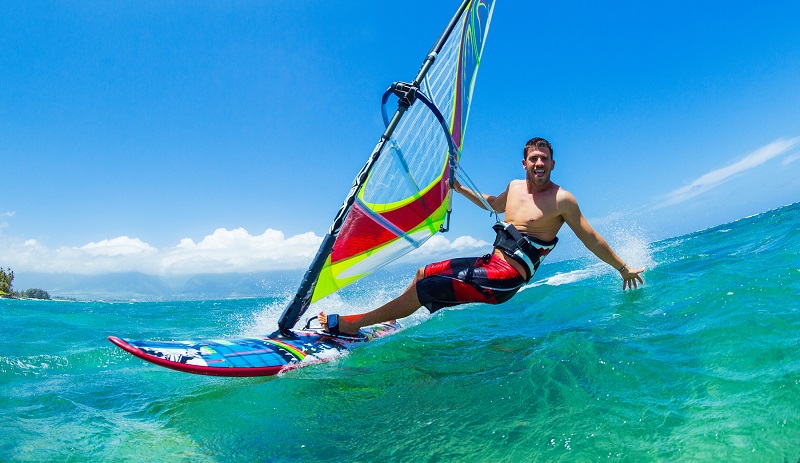
- Cross-Shore Winds: The Unpredictable Factor: Cross-shore winds, blowing parallel to the shoreline, can either be a nuisance or a blessing depending on their angle and strength. Sometimes they’ll create manageable side-chop, while other times they’ll turn the waves into a chaotic jumble. Windsurfing competitions within the meaning of the text often hinge on these variable wind conditions, where participants must skillfully navigate the ever-changing waves and winds to achieve optimal performance.
So, When is it Too Much?
There’s no magic wind speed that instantly ruins a surf session. The “too much” threshold varies based on your skill level, board type, and the wave conditions. However, here are some general guidelines:
- Beginners: For those new to surfing, even a light onshore wind can make paddling and catching waves a challenge. Anything above 10-15 mph (16-24 kph) onshore is likely to make learning more difficult.
- Intermediate Surfers: With more experience, you can handle a bit more wind. Onshore winds up to 20 mph (32 kph) might still be surfable, though conditions won’t be ideal. Focus on shorter, fatter waves that are less affected by the chop.
- Advanced Surfers: Experienced surfers with the right equipment can sometimes tackle gnarly conditions. However, strong onshore winds over 25 mph (40 kph) will usually make even the most skilled surfers seek shelter.
Wind vs. Wave Size
The wave size also plays a crucial role in determining how much wind is too much. Larger waves tend to hold up better in the wind, while smaller waves get easily blown apart. So, what might be manageable on a 6-foot day could be unrideable on a 2-foot day.
The “Feel” Factor
Ultimately, deciding when the wind is too much comes down to a personal judgment call. Consider how the wind is affecting your ability to paddle, catch waves, and perform maneuvers. If you’re struggling, feeling unsafe, or simply not having fun, it’s probably time to head in.
Tips for Surfing in Windy Conditions
- Choose the right spot: Seek out sheltered breaks or beaches with offshore wind protection.
- Use the right board: Wider, thicker boards with more volume are easier to paddle and control in choppy conditions.
- Adjust your technique: Paddle harder, pop up quicker, and be prepared for unpredictable wave faces.
- Stay safe: Always be aware of the wind direction and how it’s affecting the waves. Don’t hesitate to bail out of a wave if it gets too messy or dangerous.
The wind is a powerful force that can either enhance or hinder your surf session. By understanding how much wind is too much for surfing and adjusting your approach, you can make the most of any conditions and continue your dance with the ocean, no matter which way the wind blows.