
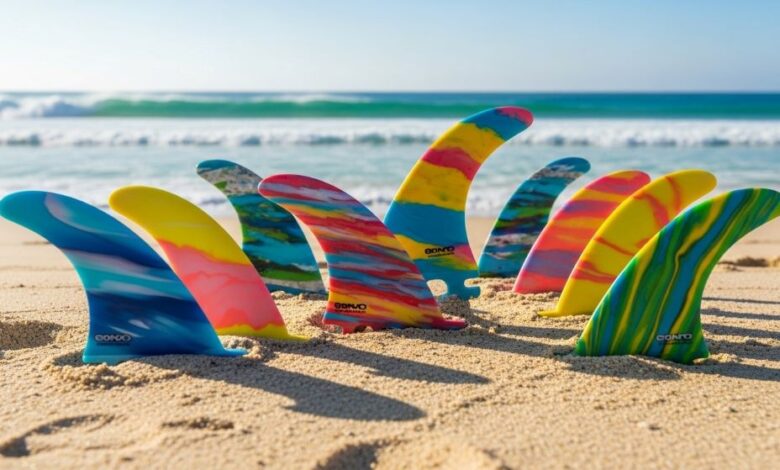
The ocean gives surfers so much. Therefore, protecting it should be every wave rider’s priority. Choosing eco surf fins made from recycled materials represents a simple yet powerful way to reduce your environmental impact while still catching incredible waves. This guide will walk you through everything you need to know about selecting the perfect recycled plastic surfboard fins for your setup.
Why Recycled Plastic Fins Matter
Traditional surfboard fins are typically made from virgin plastics and fiberglass. These materials require significant energy to produce and contribute to the growing problem of plastic pollution. However, the surfing industry has evolved dramatically in recent years.
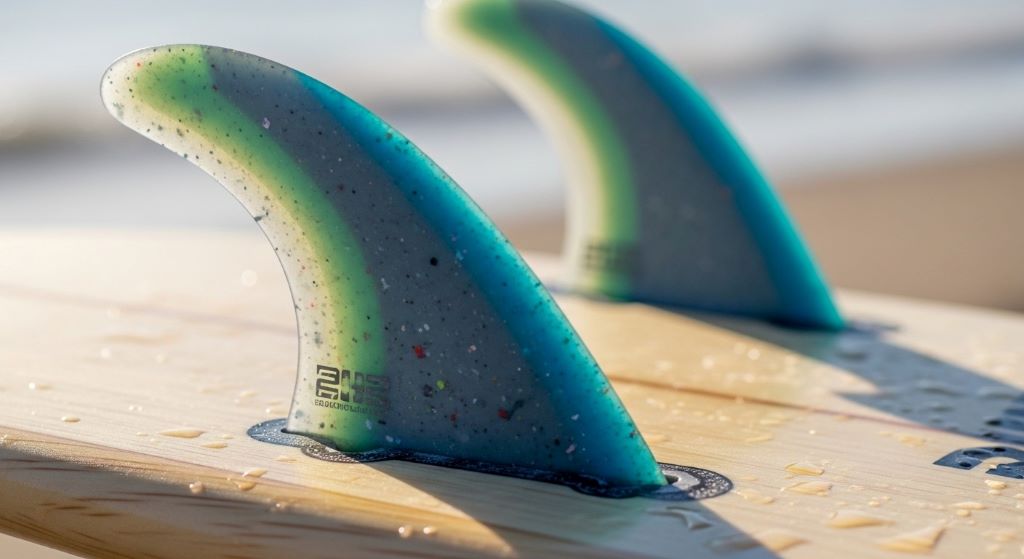
Manufacturers now create high-performance fins from reclaimed ocean plastics, recycled fishing nets, and post-consumer waste. This shift addresses two problems simultaneously. It removes harmful waste from marine environments while providing surfers with quality equipment. Additionally, these innovative materials often perform just as well as conventional options.
The environmental benefits extend beyond just using recycled content. Many companies producing sustainable surf accessories also focus on ethical manufacturing processes. They reduce water usage, minimize carbon emissions, and often support ocean conservation initiatives with their profits.
Understanding Recycled Plastic Types
Not all recycled plastics are created equal. Understanding the different materials helps you make informed decisions about your purchase.
Recycled PET comes from plastic bottles and containers. This material offers excellent durability and flexibility. Manufacturers can mold it into various fin shapes while maintaining structural integrity. Moreover, PET recycling has a well-established infrastructure, making it widely available.
Reclaimed ocean plastic represents another popular option. Companies collect abandoned fishing gear and plastic waste directly from marine environments. This approach tackles pollution at its source. However, ocean plastic often requires more processing due to saltwater exposure and contamination.
Regenerated nylon comes from fishing nets and industrial waste. This material provides exceptional strength and resilience. Furthermore, it performs particularly well in demanding surf conditions where durability matters most.
Some brands blend multiple recycled materials to optimize performance characteristics. These hybrid constructions combine the best properties of different plastics. Therefore, they often rival or exceed the performance of traditional fins.
Performance Considerations
Many surfers worry that eco-friendly options might compromise performance. This concern is understandable but largely unfounded in 2026. Modern recycled plastic fins deliver impressive results across various conditions and surfing styles.
Flex patterns remain crucial for responsive surfing. Quality recycled fins match the flex characteristics of conventional options. Manufacturers have refined their processes to ensure consistent performance. Additionally, some recycled materials actually offer superior flex memory compared to virgin plastics.
Weight considerations also matter for board handling. Recycled plastic fins typically weigh about the same as traditional versions. Some materials are even lighter, which can improve maneuverability. However, weight distribution matters more than absolute weight for most surfers.
Drive and hold determine how fins interact with the wave face. Well-designed recycled fins provide excellent drive through turns. They maintain hold in critical sections without sacrificing release when needed. Therefore, you can surf aggressively without compromising control.
Temperature resistance affects fin performance in different water conditions. Quality recycled materials handle both tropical warmth and cold water equally well. They maintain their shape and flex characteristics across temperature ranges. This versatility makes them suitable for traveling surfers.
Choosing the Right Fin Configuration
Fin setup dramatically impacts your surfing experience. Understanding different configurations helps you select the best option for your style and conditions.
The thruster setup uses three fins of similar size. This configuration offers balanced performance with predictable handling. It works well for all-around surfing and remains the most popular choice globally. Additionally, thruster setups provide excellent drive and maneuverability in various wave types.
Quad setups eliminate the center fin and use four smaller fins. This arrangement increases speed and looseness. Quads excel in smaller, mushier waves where generating speed proves challenging. However, they can feel skatey in hollow, powerful surf.
Twin fin configurations create a fast, loose feel reminiscent of retro surfing. These setups work beautifully in point breaks and slower waves. They encourage a more flowing, drawn-out surfing style. Moreover, twins have experienced a resurgence in popularity among progressive surfers.
Single fins offer the ultimate in classic surfing aesthetics. They require more finesse and rail-to-rail surfing. Single fins shine in long, peeling waves where smooth, powerful turns feel natural. Therefore, they suit surfers who appreciate traditional approaches.
Five-fin boxes provide maximum versatility. You can switch between thruster, quad, and twin configurations using the same board. This flexibility allows experimentation with different setups. Furthermore, it means you only need one set of eco surf fins for multiple configurations.
Size and Template Selection
Choosing the correct fin size ensures optimal performance. Several factors influence this decision.
Your weight primarily determines appropriate fin size. Heavier surfers generally need larger fins for adequate hold and drive. Lighter riders can use smaller fins that offer quicker release and maneuverability. Most manufacturers provide weight-based sizing charts as starting points.
Surfing style also affects size selection. Aggressive, powerful surfers benefit from larger fins that provide stability. Smooth, flowing surfers might prefer smaller fins that allow easier transitions. Consider how you naturally approach waves when making your choice.
Wave conditions in your local area matter significantly. Powerful, hollow waves require more fin for control. Smaller, weaker waves benefit from reduced fin area that maintains speed. Therefore, assess your typical surfing environment before purchasing.
Fin templates describe the outline shape. Wider-based fins offer more drive and hold. Narrower templates provide quicker release and pivot. Upright fins generate speed and drive efficiently. Swept-back fins excel in critical, powerful sections.
Brand Research and Certifications
Not all companies claiming eco-friendly status deliver genuine sustainability. Researching brands helps ensure your purchase truly benefits the environment.
Look for third-party certifications that verify environmental claims. Organizations like Ocean Positive and Plastic Bank authenticate recycled content and ethical practices. These certifications provide transparency about material sourcing and manufacturing processes. Additionally, they hold companies accountable for their sustainability commitments.
Company transparency matters when evaluating sustainable surf accessories. Reputable brands clearly communicate their environmental impact and improvement goals. They provide detailed information about material sources and percentages. Furthermore, they acknowledge areas where they’re still working to improve.
Read reviews from other surfers who have tested the fins. Real-world performance feedback helps separate marketing hype from actual quality. Look for comments about durability, performance consistency, and how the fins compare to traditional options. However, remember that individual preferences vary significantly.
Consider the company’s broader environmental initiatives. Many sustainable fin manufacturers also support ocean cleanup projects. Some donate portions of profits to marine conservation organizations. Others implement carbon-neutral shipping or use recycled packaging materials. These additional efforts indicate genuine commitment beyond just product composition.
Price and Value Assessment
Recycled plastic fins often cost more than conventional options. Understanding this pricing helps you evaluate value appropriately.
Higher prices reflect several factors. Collecting and processing recycled materials costs more than manufacturing virgin plastics. Additionally, sustainable companies often pay fair wages and invest in ethical manufacturing. These expenses get passed to consumers but support important environmental and social goals.
Consider long-term value rather than just upfront cost. Quality recycled fins typically last as long as traditional versions. Their durability means you won’t replace them more frequently. Therefore, the price difference often balances out over the product’s lifetime.
Some brands offer trade-in or recycling programs for old fins. These initiatives reduce waste while potentially lowering your purchase cost. They also ensure your old fins get properly recycled rather than ending up in landfills. Furthermore, such programs demonstrate ongoing commitment to circular economy principles.
Budget-conscious surfers can watch for sales and promotions. Many sustainable brands offer seasonal discounts or bundle deals. Buying during these periods makes eco-friendly options more accessible. However, avoid compromising on quality just to save money upfront.
Installation and Compatibility
Ensuring your chosen fins fit your board prevents frustration and wasted money.
Most modern surfboards use one of several standard fin box systems. FCS and Futures represent the two most common options. These systems aren’t interchangeable, so verify which system your board uses before purchasing. Additionally, some boxes accept compatible alternatives from various manufacturers.
Installation typically requires minimal tools and effort. Most systems use simple screws or tabs that secure fins without permanent modifications. Follow manufacturer instructions carefully to ensure proper installation. Moreover, periodically check fin screws for tightness to prevent loss during sessions.
Some recycled fin manufacturers offer universal compatibility. These fins work with multiple box systems using adapter kits. This versatility proves valuable if you own multiple boards with different systems. However, ensure adapters don’t compromise performance or security.
Custom fin boxes exist on some boards, particularly older or handmade models. These may require specific fin types or modifications. Consult with a knowledgeable surf shop if you’re unsure about compatibility. Therefore, don’t assume all fins will fit all boards without verification.
Maintenance and Longevity
Proper care extends the life of your recycled fins and maximizes your investment.
Rinse fins with fresh water after each session. Salt and sand can degrade materials over time if left uncleaned. This simple habit takes seconds but significantly impacts durability. Additionally, rinsing prevents corrosion of metal screws and hardware.
Store fins in a cool, dry location away from direct sunlight. Prolonged UV exposure can weaken plastics and affect flex patterns. Use a fin bag or case when transporting equipment. This protection prevents dings and cracks during travel.
Inspect fins regularly for damage or wear. Small cracks can expand if left unaddressed. Some manufacturers offer repair services for damaged fins. However, severely compromised fins should be replaced for safety and performance reasons.
Avoid leaving fins installed on boards stored in hot cars. Extreme temperatures can warp plastic materials and affect performance. Remove fins when storing boards for extended periods. This practice also prevents pressure points that might damage fin boxes.
Making Your Final Decision
Choosing the best recycled plastic surfboard fins involves balancing multiple factors.
Start by honestly assessing your surfing ability and style. Beginners benefit from forgiving, all-around designs. Advanced surfers can explore specialized options that match specific performance goals. Therefore, self-awareness leads to better equipment choices.
Consider your local wave conditions and where you typically surf. Fins optimized for small beach breaks won’t perform identically in powerful reef breaks. However, versatile designs handle varied conditions reasonably well if you surf diverse locations.
Set a realistic budget that acknowledges quality costs money. Cheap fins rarely deliver satisfactory performance or durability. However, the most expensive option isn’t always necessary for every surfer. Find the sweet spot between quality and affordability for your situation.
Read multiple reviews and seek recommendations from local surfers. People riding similar waves in comparable conditions provide valuable insights. Additionally, local surf shops often have staff who can offer personalized advice based on experience.
Don’t be afraid to experiment with different configurations and sizes. Fin choice significantly affects how boards perform. Sometimes unexpected setups reveal new dimensions of your surfing. Moreover, trying various options helps you understand what works best for your style.
Conclusion
Selecting the best recycled plastic surfboard fins for eco-friendly surfing requires careful consideration of multiple factors. Performance characteristics, material types, size selection, and brand credibility all play important roles in this decision. However, the effort invested in choosing wisely pays dividends through improved surfing experiences and reduced environmental impact.
Modern eco surf fins prove that environmental responsibility doesn’t require performance compromises. Advanced manufacturing techniques and innovative materials deliver results that rival traditional options. Additionally, choosing sustainable surf accessories supports companies driving positive change in the industry.
Your fin selection represents more than just equipment choice. It reflects your values and commitment to protecting the ocean that provides so much joy. Therefore, take time to research options, consider your specific needs, and invest in quality products that align with your environmental principles.
The waves you ride today deserve protection for future generations. Making conscious choices about your surfing equipment contributes to that important goal. Start with your fins, and let that commitment expand to other aspects of your surfing lifestyle.
Frequently Asked Questions
Do recycled plastic fins perform as well as traditional fins?
Yes, modern recycled plastic fins match or exceed traditional fin performance. Manufacturers have refined production processes to ensure consistent flex patterns, durability, and responsiveness. Many professional surfers now use recycled fins without any performance compromise. The technology has advanced significantly, making eco-friendly options viable for all skill levels.
How long do recycled plastic surfboard fins typically last?
Quality recycled fins last just as long as conventional options when properly maintained. Most surfers get several years of regular use from well-made recycled fins. Lifespan depends on usage frequency, wave conditions, and care practices. Rinsing after sessions and avoiding extreme temperatures extends durability significantly.
Are recycled plastic fins more expensive than regular fins?
Recycled plastic fins often cost slightly more due to sustainable manufacturing practices and material processing. However, the price difference has decreased as production scales up. Many brands offer competitive pricing that makes eco-friendly options accessible. Consider the long-term environmental value alongside the monetary cost.
Can I use recycled fins on any surfboard?
Recycled fins must match your board’s fin box system, just like traditional fins. Most use standard FCS or Futures systems, but always verify compatibility before purchasing. Some manufacturers offer universal options with adapters. Check your board’s fin boxes and match them to appropriate fin types.
What happens to recycled fins at the end of their life?
Many sustainable fin companies offer recycling programs for worn-out fins. These programs ensure materials get reprocessed rather than landfilled. Some brands accept fins from any manufacturer, not just their own products. Contact the manufacturer or check their website for end-of-life options and recycling instructions.
Related Topics:
Riding the Golden Wave: Uncovering California’s Most Popular Surfing Beach