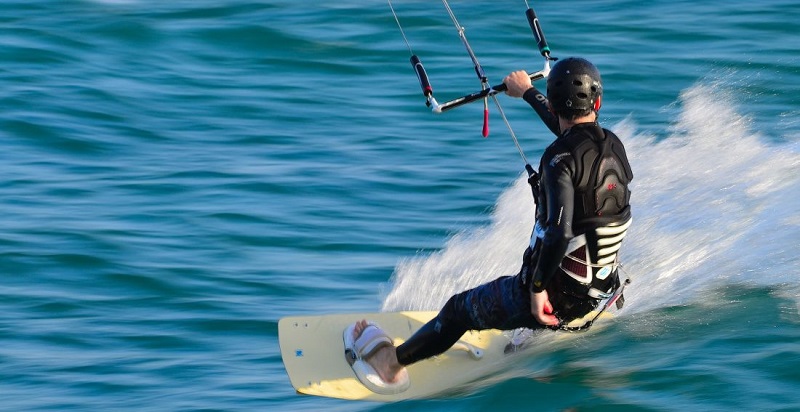

Washington’s coast delivers some of the most underrated surf in the Pacific Northwest. Powerful swells roll in from the open ocean and hit rugged shorelines that create exciting, moody breaks. According to NOAA, the state receives consistent North Pacific wave activity for more than 300 days a year, and the Washington State Recreation & Conservation Office reports millions of coastal visits annually. These numbers show how much people want wild nature and fresh adventure. Surfers find that mix along the Evergreen State’s cold-water beaches. This guide explores the best spots and shares helpful insight so you can enjoy the journey safely and with confidence.
Why Surfing in Washington Feels Different
Washington’s surf scene has a raw and untamed spirit. Dense forests, rocky headlands, and foggy mornings create an atmosphere you won’t find in warmer states. Swells come from multiple directions and often rise fast. These conditions give the coast its personality. Surfers love the challenge because every session feels unique.
Cold water is part of the experience. Most days require thick wetsuits, gloves, and boots. These layers help you stay comfortable for longer sessions and make the ocean feel welcoming instead of harsh. Since the environment changes quickly, surfers rely on tide charts, weather patterns, and local knowledge to choose the right window. Because of that, Washington builds sharper surf instincts and a closer bond with nature.
Best Places for Surfing in Washington
Below are the most reliable and rewarding surf spots across the state. Each location offers a different story, scenery, and wave style.
1. Westport: Washington’s Surfing Capital
Westport stands out as the state’s most popular surf destination. The town sits on a long peninsula and faces the Pacific in a way that gathers steady swell. Because of this layout, beginners, intermediate surfers, and seasoned riders all find something to enjoy.
Why Surfers Love Westport
Waves break often and come in clean lines when the wind shifts offshore. Sandbars help shape dependable peaks that suit shortboards and longboards. Crowds appear on weekends, but weekdays stay relaxed. Clear channels make paddling easier and allow longer sessions.
Top Spots Within Westport
- Westhaven Jetty: Ideal for consistent surf and friendly conditions.
- The Groins: Offers stronger waves during mid to high tide.
- Half Moon Bay: Better for mellow days with softer, rolling waves.
Local Tips
Keep an eye on tide swings because Westport reacts strongly to water levels. Surfers often arrive early to catch the best window between tidal changes. When fog lifts, visibility improves fast, and sets become easier to read.
2. La Push: A Rugged, Powerful Surf Escape

La Push sits on the Quileute reservation and brings wild beauty to every session. Forests tower over the sand, sea stacks rise from the water, and the shoreline feels ancient. This spot attracts surfers who enjoy adventure along with their waves.
Why La Push Stands Out
Swells hit La Push with impressive energy. The waves break with more punch compared to most Washington beaches. Surfers appreciate the large peaks and the scenic backdrop. Even on overcast days, the water glows with a deep blue-green tone.
Which Beach to Choose
- First Beach: Offers the most accessible surf and a wide sandy shore.
- Second Beach: Known for quieter conditions and stronger waves.
- Third Beach: More remote and often delivers the most powerful surf.
Local Tips
Hikes to Second and Third Beach add extra charm. Surfboards require careful carrying through forest trails, so bring good covers. Tides change the character of each beach, so check conditions before committing to the hike.
3. Hobuck Beach: A Gentle and Scenic Break
Hobuck Beach sits on the Makah reservation near Neah Bay. This long stretch of sand receives a mix of north and west swells, which helps create forgiving waves that appeal to all skill levels.
Why Hobuck Works for Many
Waves break softer here and allow long rides on good days. Visitors find the beach peaceful, with wide open space and few obstacles in the water. When the wind stays calm, you enjoy clean, rolling surf.
What to Expect
Hobuck sees more consistent smaller waves but still picks up larger sets during winter. Surfers often stay overnight nearby because dawn sessions tend to be smoother. The area also provides beautiful sunsets, which wrap each day in warm color.
Local Tips
Watch out for shifting sandbars that cause sudden changes in the wave shape. Locals often paddle for the outside peaks to catch longer, more rewarding rides.
4. Rialto Beach: Dramatic Scenery and Challenging Waves
Rialto Beach is known for its rugged coastline and striking rock formations. The surf arrives with force and rewards people with strong paddling skills. Surfers who like dramatic scenery appreciate the location right away.
Why Rialto Beach Attracts Experienced Riders
Waves bounce off offshore rock features and headlands. Because of that, the surf can feel unpredictable at times. Those with solid experience enjoy the mix of beach and reef-like behavior. Conditions shift fast, so staying alert matters.
What Makes It Unique
Foam sprays high during bigger sets, and windblown mist moves across the surface. Driftwood piles along the shore give the beach its iconic look. Photographers love the location, and surfers enjoy the raw energy that comes with it.
Local Tips
Check forecasts before heading out. This spot changes quickly with storm conditions. Paddlers should stay mindful of rip currents because they become stronger during high-energy days.
5. Shi Shi Beach: Remote Beauty and Rewarding Waves
Shi Shi Beach offers one of Washington’s most remote surf experiences. The long hike to the shoreline adds to the sense of isolation. Once you arrive, sweeping views and rolling waves make the effort worthwhile.
Why Shi Shi Feels Special
The journey separates casual beachgoers from committed explorers. Waves here often roll with a friendly push, especially on mid tides. The atmosphere feels peaceful, with wide sand and open space.
What to Expect
Surfers enjoy consistent shoulder-high surf during spring and fall. When winter storms arrive, the waves grow much larger and stronger. The beach’s shape handles both small and big days well.
Local Tips
Prepare for a muddy trail and pack carefully. Surfers often bring lightweight gear for the hike. Checking conditions before you go is essential because the area sits far from towns and changes quickly.
6. Cape Disappointment: Where Power Meets Variety
Cape Disappointment offers multiple breaks influenced by shifting sandbars and strong seasonal swells. The headland sits near the mouth of the Columbia River, which creates a unique environment.
Why Surfers Respect Cape Disappointment
The waves show real strength when river flow meets ocean swell. This creates interesting, powerful breaks that draw advanced surfers. The scenery feels dramatic, with cliffs, forest, and fast-moving water.
Best Surf Zones Around the Cape
- Waikiki Beach: Known for stronger, hollow waves during good conditions.
- North Jetty: Offers long rides when the swell direction lines up well.
Local Tips
Study the day’s tide and swell angle before paddling out. Shifting currents make this spot challenging. Surfers wait for breaks in current flow to enter the lineup more safely.
7. Long Beach Peninsula: Wide Space and Wind-Driven Waves
The Long Beach Peninsula stretches for more than twenty miles and offers huge room for surfers to spread out. Because the beach is open to the Pacific, the waves often build from steady wind patterns.
Why Long Beach Appeals to Many
Surfers enjoy the feeling of freedom and fresh air. Waves come in frequently, and on calmer days the surf turns playful. Longboarders enjoy shoulder-high rollers, and newer surfers practice in forgiving sections.
Local Tips
Wind picks up in the afternoon, so early sessions are usually better. The beach has plenty of space, which helps you find quiet sections without crowds.
Understanding Washington’s Surf Seasons
Surf conditions change across the year, and each season brings its own rhythm.
Winter
Waves peak in size and power. Advanced surfers love winter the most. Storms create strong swells, but winds can turn conditions rough.
Spring
Swells settle down slightly. Weather begins to improve. Many surfers consider spring the sweet spot because crowds are low and waves stay consistent.
Summer
Smaller, friendlier surf rules the season. Newer surfers enjoy this window. Mornings bring better conditions because winds remain lighter.
Fall
Swells grow again and water temperatures stay manageable. Many surfers see fall as the best mix of quality waves and comfortable weather.
Essential Gear for Surfing in Washington
Cold water requires thoughtful preparation. Proper gear helps you stay warm, safe, and ready for longer surf sessions.
What You Need
- Thick wetsuit: Most surfers use 5/4 mm or 6/5 mm suits to stay warm.
- Booties and gloves: Keep hands and feet from going numb.
- Hood: Helps maintain body heat on colder days.
- Leash: Ensures your board stays within reach during larger sets.
- Wax: Gives better traction on cold-water surfaces.
Local Tips
Rinse gear with fresh water after every session. Cold, sandy conditions wear equipment quickly. Taking care of your gear helps it last much longer.
Staying Safe in Washington’s Surf
Cold-water surf requires smart habits. Strong currents and fast-changing weather conditions make awareness essential.
Safety Tips
- Watch tides before entering the water.
- Surf with a buddy on remote beaches.
- Keep an eye on fog because visibility drops quickly.
- Learn local rip current patterns.
- Stay within your ability level.
Reading Conditions
Use government tide charts, marine forecasts, and buoy data. These resources give reliable information about swell size and wind changes. Skilled surfers rely on these numbers to choose the best time and place.
How to Surf Responsibly and Respect the Coast
Washington’s coast is wild and protected in many areas. Respecting the environment keeps it healthy for future surfers.
Good Habits
- Pack out all trash.
- Stay on marked trails to prevent erosion.
- Give wildlife plenty of space.
- Respect cultural lands and local guidelines.
Local Community Etiquette
Surf communities build strong bonds. Friendly greetings, patience in the lineup, and sharing waves help maintain a positive atmosphere. These simple actions keep the surf culture welcoming.
Conclusion
Washington offers rugged surf, natural beauty, and unforgettable moments on the water. Each beach tells its own story through waves, scenery, and unique conditions. Whether you want steady peaks at Westport, wild surf at La Push, or calm rollers at Hobuck, you will find a spot that matches your style. Plan your trip, respect the coast, and embrace the adventure. Start exploring the best beaches today and enjoy a fresh side of the Pacific Northwest.
FAQs
1. Is surfing in Washington good for beginners?
Yes. Places like Westport and Hobuck Beach offer friendly waves that help beginners learn safely.
2. Do I need a thick wetsuit?
Absolutely. Cold water makes thick suits, gloves, boots, and hoods essential most of the year.
3. When is the best time to surf in Washington?
Fall and spring offer the most balanced conditions. Winter brings big waves, and summer delivers smaller surf.
4. Are Washington surf beaches crowded?
Not usually. Westport sees more people, but most spots remain peaceful, especially on weekdays.
5. Can I longboard in Washington?
Yes. Long Beach Peninsula and Hobuck Beach offer rolling waves perfect for longboards.
References