Skateboarding offers an exhilarating rush, whether you’re cruising through the neighborhood or landing tricks at the skate park. However, the sport comes with inherent risks. Falls are inevitable, especially when you’re learning new skills or pushing your limits. Therefore, investing in quality protective gear becomes essential for riders of all skill levels.
Choosing the right protective equipment can feel overwhelming given the numerous options available today. This comprehensive guide will walk you through everything you need to know about selecting skate pads that match your riding style, skill level, and budget. By the end, you’ll have the knowledge to make an informed decision that keeps you safe while skating.
Understanding the Importance of Protection
Many skaters, particularly beginners, underestimate the value of protective gear. The excitement of skating often overshadows safety considerations. Nevertheless, even experienced riders face unexpected falls that can result in serious injuries.
Protective pads serve multiple purposes beyond injury prevention. They boost confidence, allowing you to attempt new tricks without excessive fear. Additionally, they reduce recovery time if you do fall, meaning you can get back on your board faster. Quality gear also demonstrates responsibility and sets a positive example for younger skaters in your community.
Types of Protection You Need
A complete protective set typically includes several key components. Knee pads rank among the most crucial pieces since knees absorb significant impact during falls. Elbow pads protect your joints from scrapes and fractures when you instinctively reach out to break a fall. Wrist guards prevent common injuries like sprains and breaks that occur when your hands hit the ground.
Some riders also incorporate hip pads and tailbone protection, particularly when learning vert skating or attempting aerial tricks. The specific combination you choose depends on your skating style and personal risk tolerance. Street skaters might prioritize knee and elbow protection, while ramp riders often add hip padding to their arsenal.
Sizing Matters More Than You Think
Proper fit makes the difference between effective protection and uncomfortable gear that ends up in your closet. Pads that are too loose slide around during activity, leaving vulnerable areas exposed at critical moments. Conversely, overly tight pads restrict movement and circulation, causing discomfort that distracts from your skating.
Measure your joints accurately before purchasing. For knee pads, measure around the center of your kneecap and approximately six inches above and below. Elbow pads require measurements around the widest part of your forearm and upper arm near the elbow. Most manufacturers provide detailed sizing charts, so take time to consult them carefully.
Remember that sizing can vary between brands. Reading customer reviews often reveals whether a particular brand runs small or large. When possible, try pads on before buying to ensure they stay in place during movement without causing discomfort.
Material Quality and Durability
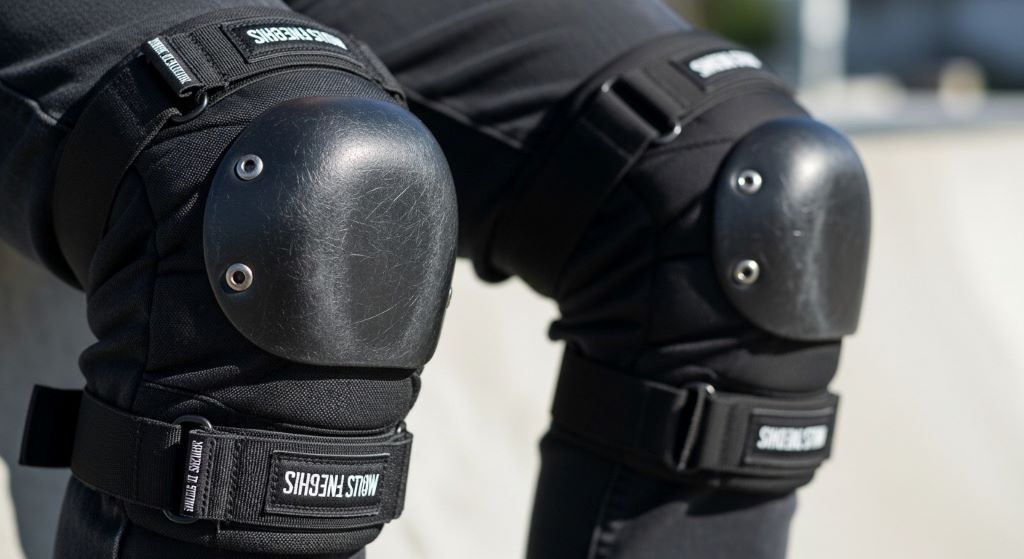
The materials used in pad construction directly impact performance and longevity. Hard plastic caps distribute impact force across a wider area, reducing the pressure on any single point. High-density foam provides cushioning that absorbs shock effectively while maintaining its shape over time.
Look for breathable fabrics in the interior lining. Mesh panels and moisture-wicking materials keep you cooler during extended sessions. This feature becomes particularly important during summer months or in warm climates where overheating can cut your skating time short.
Reinforced stitching indicates quality construction that withstands repeated impacts and washing. Check seams carefully, especially around stress points where the cap connects to the padding. Double or triple stitching typically offers better durability than single-stitch construction.
Beginner-Friendly Options
If you’re just starting your skateboarding journey, prioritize comfort and comprehensive coverage over advanced features. Bulkier pads with extra padding provide more protection as you learn to fall properly. The additional cushioning forgives technical mistakes and reduces bruising during the inevitable learning curve.
Velcro straps work well for beginners because they allow easy adjustments and quick removal. Sleeve-style pads that pull on like socks offer another option, though they require more precise sizing. Many entry-level sets come as complete packages including knee, elbow, and wrist protection at an affordable price point.
Don’t sacrifice quality for price, however. Cheap pads may seem economical initially but often fall apart quickly or provide inadequate protection. Mid-range options from reputable brands typically offer the best value for novice skaters building their first protective gear collection.
Intermediate to Advanced Features
As your skills progress, your protection needs evolve. Experienced skaters often prefer low-profile designs that maintain mobility while still offering impact resistance. Slimmer pads allow for greater range of motion, essential for executing complex tricks and maneuvers.
Advanced pads frequently incorporate specialized features like recessed caps that prevent snagging during slides. Articulated designs flex with your joints naturally, reducing restriction during movement. Some premium models use dual-density foam that combines soft comfort layers with firm protective cores.
Professional-grade options might include replaceable caps and sleeves, extending the product’s lifespan significantly. This feature proves cost-effective for serious skaters who spend hours at the park daily. Multiple strap systems provide customizable fit adjustments that keep pads secure during aggressive skating.
Skateboarding Styles and Protection Needs
Your chosen skating discipline influences which protective features matter most. Street skating involves ledges, stairs, and rails where impact angles vary unpredictably. Therefore, robust knee and elbow protection with full coverage becomes essential. The hard urban surfaces demand maximum impact resistance.
Vert and bowl skating generates higher speeds and larger drops, necessitating comprehensive protection including hip pads. The smooth transitions allow for different falling techniques, but the increased height creates greater impact force. Many vert skaters also wear helmets rated for multiple impacts rather than single-impact bicycle helmets.
Cruising and transportation skating generally requires less aggressive protection. However, unexpected obstacles like pebbles or cracks can still cause falls. A basic set covering knees and wrists often suffices for casual riders who stick to smooth paths and moderate speeds.
Maintenance and Care
Proper maintenance extends the life of your protective gear significantly. Most pads accumulate sweat, dirt, and odors over time. Hand washing with mild detergent preserves the integrity of materials better than machine washing. Allow pads to air dry completely before storage to prevent mold and mildew growth.
Inspect your gear regularly for signs of wear. Compressed foam that doesn’t spring back indicates the padding has lost its protective capability. Cracked plastic caps, frayed straps, or separated stitching all signal it’s time for replacement. Using damaged pads creates a false sense of security while providing inadequate protection.
Store pads in a cool, dry location away from direct sunlight. Ultraviolet rays degrade plastics and elastics over time, weakening structural integrity. Proper storage between sessions maintains material properties and ensures your gear performs when you need it most.
Budget Considerations
Quality men’s skateboarding protection exists across various price points. Entry-level sets start around thirty to forty dollars and provide basic protection for casual skaters. Mid-range options between sixty and one hundred dollars offer better materials, construction, and comfort features suitable for regular use.
Premium protective gear can exceed one hundred fifty dollars but delivers professional-grade protection with advanced features. Consider your skating frequency and commitment level when determining your budget. Occasional riders might find mid-range options perfectly adequate, while daily skaters benefit from investing in top-tier equipment.
Remember that protective gear costs far less than medical bills for broken bones or emergency room visits. Additionally, insurance deductibles and lost work time due to injuries quickly dwarf the expense of quality pads. View protection as an investment in your health and skating longevity rather than an optional expense.
Brand Reputation and Reviews
Established brands in the skating industry have earned their reputations through years of producing reliable equipment. Companies like Pro-Tec, 187 Killer Pads, and Triple Eight specialize in protective gear and understand skater needs. Their products undergo real-world testing by professional riders who depend on performance and reliability.
However, newer brands sometimes offer innovative features at competitive prices. Research thoroughly before trying unfamiliar manufacturers. Online reviews from verified purchasers provide valuable insights into real-world performance, sizing accuracy, and durability. Look for patterns in feedback rather than focusing on individual extreme opinions.
Video reviews often show pads in action, helping you assess how they perform during actual skating. Many reviewers test protective gear extensively and provide detailed comparisons between models. This information proves invaluable when deciding between similar options at comparable price points.
Common Mistakes to Avoid
Many skaters make the error of choosing style over substance. Pads that look cool but provide inadequate protection serve little purpose. Furthermore, matching your protective gear to your outfit matters far less than ensuring it fits properly and guards vulnerable areas effectively.
Another frequent mistake involves buying pads that match your current skill level without considering progression. If you plan to advance your skating, invest in gear that accommodates growth. Slightly oversized pads for growing teenagers make sense, but adults should prioritize current fit over future possibilities.
Neglecting to replace worn-out protection represents a dangerous oversight. Even if pads look acceptable externally, internal foam compression reduces their effectiveness. Establish a replacement schedule based on usage frequency rather than waiting for obvious failure.
Testing Before Committing
Whenever possible, try protective gear before purchasing. Many skate shops allow customers to test fit various models and brands. Walk around the store, squat, and move through skating motions to assess comfort and restriction. Pads should feel secure without pinching or sliding.
Pay attention to how straps and closures function. You’ll adjust these regularly, so they should operate smoothly and hold firmly. Complicated closure systems that require assistance or excessive time discourage consistent use of protective gear.
If ordering online, verify the return policy before completing your purchase. Reputable retailers understand that sizing inconsistencies occur and accommodate exchanges or returns for unused items. Keep all packaging until you’ve tested the pads during an actual skating session.
Combining Protection with Technique
Quality skate pads for adults work best when combined with proper falling techniques. Learning to roll when you hit the ground distributes impact force across more surface area. This skill reduces injury risk and complements your protective gear’s capabilities.
Practice controlled falls on grass or soft surfaces to develop muscle memory. Tuck your limbs close to your body and aim to land on protected areas rather than extending arms fully. These techniques become instinctive with repetition and significantly enhance your safety margin.
Additionally, understanding your limits prevents many injuries that no amount of padding can fully mitigate. Progress gradually through skill levels rather than attempting advanced tricks prematurely. Patience and systematic improvement create a sustainable skating practice that minimizes injury risk.
Environmental Considerations
Some manufacturers now produce protective gear using sustainable materials and ethical manufacturing processes. If environmental impact concerns you, research brands that prioritize these values. Recycled plastics and organic fabrics reduce the ecological footprint of your skating equipment.
Durability itself represents an environmental consideration. Gear that lasts longer reduces waste and resource consumption over time. Investing in high-quality protection that serves you for years proves more sustainable than repeatedly replacing cheap alternatives that fail quickly.
Making Your Final Decision
Choosing protective equipment ultimately requires balancing multiple factors including fit, protection level, comfort, and budget. Create a checklist of your priorities based on skating style, frequency, and personal preferences. Use this list to evaluate options systematically rather than making impulsive decisions based on appearance or price alone.
Remember that the best protective gear is the set you’ll actually wear consistently. Uncomfortable pads that remain in your bag provide zero protection during falls. Prioritize comfort and fit alongside protective capability to ensure regular use.
Trust your instincts during the selection process. If something feels wrong about a particular set, continue searching. The right protective equipment should inspire confidence and feel like a natural extension of your skating setup.
Conclusion
Selecting appropriate protective gear represents a crucial aspect of responsible skateboarding for men at all skill levels. Quality pads prevent serious injuries, boost confidence, and demonstrate commitment to long-term participation in the sport. By considering factors like fit, materials, skating style, and budget, you can identify equipment that meets your specific needs.
Start by assessing your current skill level and skating discipline to determine necessary protection types. Measure accurately and consult sizing charts to ensure proper fit. Invest in reputable brands that balance quality with value, and maintain your gear properly to extend its useful life. Most importantly, wear your protective equipment consistently to maximize its benefits.
The right men’s skateboarding protection empowers you to push your limits while minimizing injury risk. Whether you’re landing your first ollie or perfecting advanced aerial tricks, quality pads provide the security and confidence to progress safely. Take time to choose wisely, and your investment will pay dividends in both safety and skating enjoyment for years to come.
Frequently Asked Questions
How often should I replace my protective pads?
Replace pads when foam compression becomes noticeable, plastic caps crack, or straps fail to hold securely. For frequent skaters, this typically means replacing gear every twelve to eighteen months. Casual riders might extend this timeline to two or three years with proper care and storage.
Can I use skateboarding pads for other activities like rollerblading or scootering?
Yes, quality skate pads work effectively for most wheeled sports including rollerblading, scootering, and even biking. The impact protection requirements remain similar across these activities. However, ensure the pads fit properly since different sports may stress joints at slightly different angles.
Do professional skateboarders wear protective pads?
Many professional skaters wear protection during practice sessions and when learning new tricks, even if they remove pads for competitions or filming. Vert and bowl specialists almost universally wear comprehensive protection due to the increased fall heights and impact forces involved in their discipline.
Should pads feel tight or loose?
Pads should feel snug without restricting circulation or causing discomfort. They should not slide more than half an inch during movement. If you can easily fit two fingers under the strap when fastened, they’re probably too loose. Conversely, if they leave deep marks after brief wear, size up.
What’s the difference between skate pads and knee pads for other sports?
Skateboarding pads typically feature harder plastic caps designed for sliding during falls rather than just cushioning impacts. They’re also built to withstand repeated concrete contact. Volleyball or wrestling knee pads prioritize cushioning over slide resistance and use softer materials unsuitable for pavement impacts.
Related Topics:
Boost Your Game: Top Baseball Reaction Time Drills for Outfielders
What is a Breakfast Ball in Golf? A Complete Guide to This Fun Golf Tradition