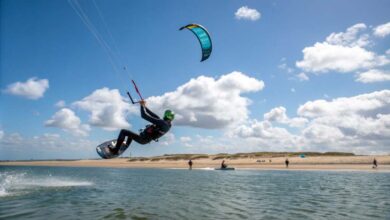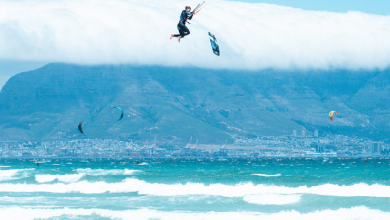
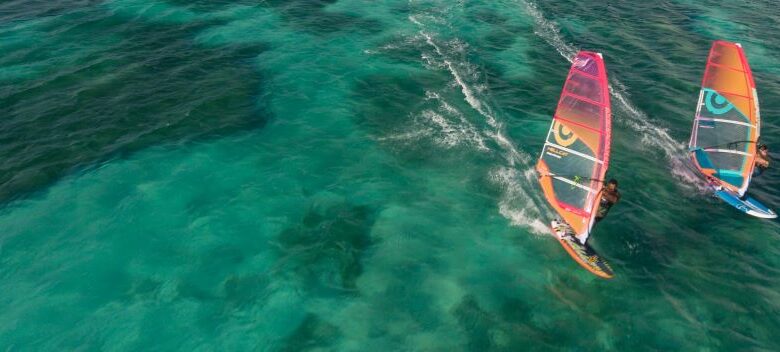
Imagine gliding across turquoise waters, the warm Caribbean breeze filling your sail as you harness the wind’s power. Aruba, a tiny Dutch Caribbean island, is not just a paradise for beach lovers—it’s a world-class destination for windsurfing. With its consistent trade winds, shallow crystal-clear waters, and year-round sunshine, Aruba offers the ideal conditions for beginners to dive into the exhilarating sport of windsurfing.
Windsurfing in Aruba isn’t just a hobby; it’s a cultural experience. The island’s windsurfing scene has thrived for decades, attracting enthusiasts from around the globe. According to the Aruba Tourism Authority, over 30% of visitors engage in water sports, with windsurfing ranking among the top three activities. The island’s unique geography, featuring protected bays and steady winds, makes it a safe and exciting place for novices to learn.
But why choose Aruba over other destinations? The answer lies in its unmatched combination of accessibility, professional instruction, and natural beauty. Whether you’re a thrill-seeker or someone looking for a new way to connect with nature, windsurfing in Aruba promises an unforgettable adventure. This guide will walk you through everything you need to know—from selecting the right gear to mastering your first turns—so you can confidently ride the waves like a pro.
Why Aruba Is a Windsurfing Haven for Beginners
Consistent Trade Winds and Ideal Conditions
Aruba’s location outside the hurricane belt ensures stable weather year-round. The island experiences trade winds blowing at an average of 15 to 25 knots, perfect for windsurfing. Unlike other destinations where wind conditions can be unpredictable, Aruba’s reliability allows beginners to practice without frustration.
The waters around Aruba are warm, shallow, and remarkably clear. Fisherman’s Huts and Hadicurari Beach, two of the island’s most popular windsurfing spots, offer waist-deep waters for miles. This shallow depth provides a safe environment for learners to fall, recover, and regain confidence quickly.
World-Class Windsurfing Schools and Instructors
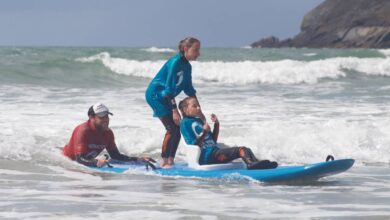
Aruba boasts some of the best windsurfing schools in the Caribbean. Schools like Aruba Active Vacations and Aruba Bob Snorkeling & Windsurfing School provide certified instructors who tailor lessons to individual skill levels. Many instructors are former professional windsurfers, offering insights that go beyond basic techniques.
For example, Aruba Active Vacations has a 95% success rate in getting beginners standing and sailing within their first three-hour session. Their structured approach, combining on-land simulations and in-water practice, ensures students grasp the fundamentals before tackling the waves.
A Supportive Windsurfing Community
The windsurfing community in Aruba is welcoming and diverse. Beginners often find themselves learning alongside seasoned windsurfers who are eager to share tips and encouragement. Local events, such as the annual Aruba Hi-Winds competition, foster a sense of camaraderie and inspire newcomers to improve their skills.
Additionally, many resorts and beach clubs offer windsurfing packages, making it easy for travelers to combine lessons with relaxation. The social aspect of windsurfing in Aruba transforms the learning experience into a memorable adventure.
Essential Gear for Beginners: What You Need to Start
Choosing the Right Board and Sail
Selecting the appropriate gear is crucial for a successful windsurfing experience. Beginners should start with a wide, stable board—typically between 150 to 200 liters in volume. These boards provide the buoyancy needed to stay afloat while learning balance and control.
The sail size depends on wind conditions and the windsurfer’s weight. In Aruba’s moderate winds, a sail between 4.5 to 6.5 square meters is ideal for beginners. Renting gear from local schools is recommended, as they offer well-maintained equipment suited to Aruba’s conditions.
Wetsuits, Harnesses, and Safety Gear
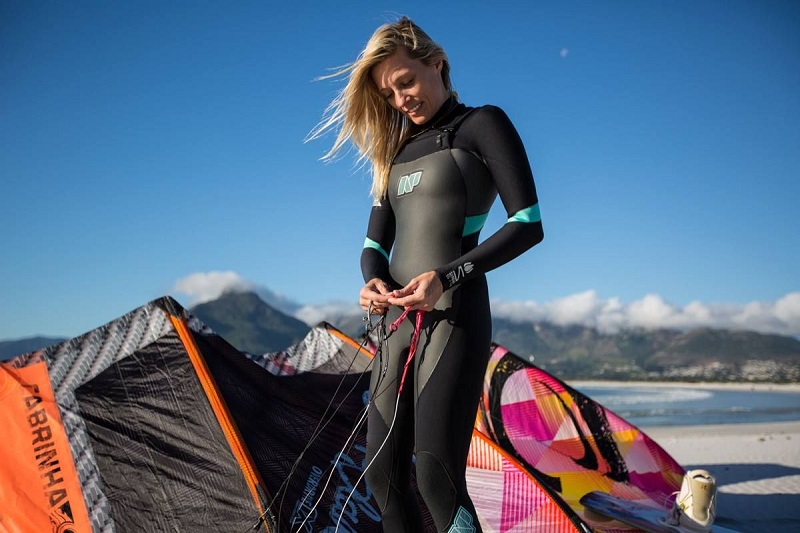
While Aruba’s waters are warm, a lightweight wetsuit or rash guard protects against sunburn and minor scrapes. A harness, which connects the windsurfer to the sail, reduces arm fatigue and improves control. Most schools provide harnesses as part of their rental packages.
Safety gear, including a life jacket and helmet, is non-negotiable. Aruba’s windsurfing schools enforce strict safety protocols, ensuring beginners feel secure as they learn.
Step-by-Step Guide: Your First Windsurfing Lesson in Aruba
Step 1: On-Land Simulation and Theory
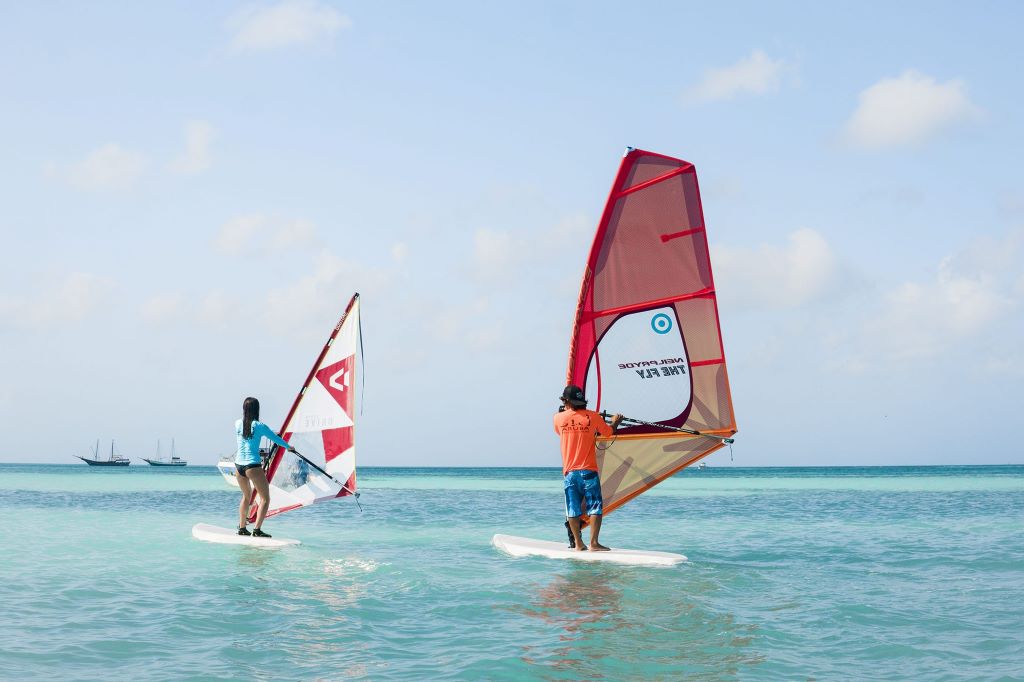
Before hitting the water, instructors introduce students to the basics of windsurfing on land. This includes understanding wind direction, sail handling, and board positioning. Simulators, such as balance boards, help beginners get a feel for the movements required.
Step 2: Mastering the Beach Start
The beach start is the first skill beginners learn. Instructors guide students through positioning the sail, stepping onto the board, and using the wind to propel forward. Aruba’s gentle shorebreaks make this process less intimidating.
Step 3: Steering and Turning
Once comfortable with the beach start, students practice steering by shifting their weight and tilting the sail. Turning, or “tacking,” is introduced gradually, with instructors demonstrating how to change direction without losing balance.
Step 4: Building Confidence in Open Water
After mastering the basics, beginners venture into deeper waters under close supervision. Instructors encourage students to practice sailing upwind and downwind, refining their control and confidence.
Top Windsurfing Spots in Aruba for Beginners
Fisherman’s Huts
Located on the island’s northern coast, Fisherman’s Huts is renowned for its shallow, calm waters and consistent winds. The area is dotted with thatched huts, providing shade and a picturesque backdrop for windsurfing sessions.
Hadicurari Beach
Hadicurari Beach, often called “The Fishbowl,” is another beginner-friendly spot. Its protected bay and steady winds create an ideal learning environment. The beach is also home to several windsurfing schools, making it a hub for newcomers.
Palm Beach
While Palm Beach is more popular among tourists, its calm waters and nearby rental shops make it a convenient option for beginners. The beach’s vibrant atmosphere adds to the overall experience.
Professional Tips for Faster Progress
Focus on Balance and Stance
Maintaining a low, centered stance improves stability. Beginners should keep their knees bent and feet shoulder-width apart, allowing for better control over the board.
Learn to Read the Wind
Understanding wind patterns is essential for efficient sailing. Instructors often teach students to observe flags, ripples on the water, and other visual cues to gauge wind direction and strength.
Practice Consistently
Like any sport, windsurfing requires practice. Beginners who dedicate time to regular sessions see the most improvement. Aruba’s windsurfing schools offer multi-day packages, allowing students to build on their skills progressively.
Reviews from Beginners Who Learned in Aruba
“A Life-Changing Experience”
Sarah, a first-time windsurfer from Canada, shared, “I never thought I’d be able to windsurf, but Aruba’s instructors made it so easy. By the third day, I was sailing on my own—it was incredible!”
“The Perfect Mix of Adventure and Relaxation”
Mark, a traveler from the UK, noted, “Aruba’s winds were perfect for learning. The shallow waters gave me the confidence to try new things without fear of wiping out.”
Related Topics:
FAQs About Windsurfing in Aruba
1. Is windsurfing in Aruba suitable for complete beginners?
Absolutely! Aruba’s calm, shallow waters and professional instructors make it an ideal destination for first-timers.
2. What’s the best time of year to learn windsurfing in Aruba?
Aruba enjoys consistent winds year-round, but the peak season for windsurfing is from May to September.
3. Do I need to be a strong swimmer to windsurf?
While swimming skills are helpful, life jackets are provided, and lessons take place in shallow waters.
4. How many lessons does it take to windsurf independently?
Most beginners can sail independently after 3 to 5 lessons, depending on their comfort level.
5. Can children learn to windsurf in Aruba?
Yes! Many schools offer lessons for children as young as 8, using smaller, more manageable equipment.
6. What should I wear for windsurfing in Aruba?
Lightweight, quick-drying clothing, such as rash guards and board shorts, is recommended. Wetsuits are optional but provide sun protection.
7. Are there group lessons available?
Yes, group lessons are a popular and cost-effective option for beginners. They also provide a fun, social learning environment.
Conclusion: Your Windsurfing Adventure Awaits in Aruba
Windsurfing in Aruba is more than a sport—it’s a journey of discovery, adventure, and connection with nature. The island’s perfect conditions, expert instruction, and welcoming community create an unparalleled learning experience. Whether you’re seeking a new challenge or a unique way to explore Aruba’s stunning coastline, windsurfing offers an exhilarating escape.
Ready to ride the waves? Book your first lesson today and embark on an adventure that will leave you hooked for life. The wind is calling—will you answer?