
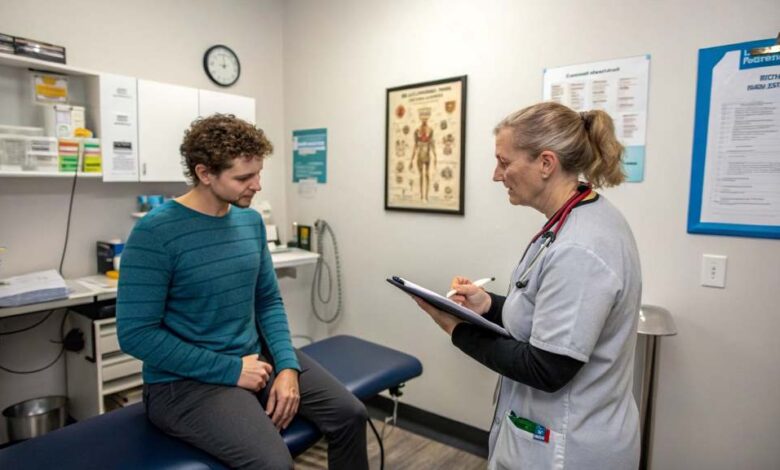
Shockwave therapy is a non-invasive treatment that promotes healing in musculoskeletal conditions. It uses acoustic waves to stimulate blood flow, break down calcifications, and enhance tissue regeneration. It’s commonly used to treat conditions like plantar fasciitis, tendinitis, and muscle injuries.
How Shockwave Therapy Works
The therapy delivers high-energy sound waves into affected tissues, stimulating cell repair and reducing inflammation. It can accelerate healing, making it a preferred treatment for chronic pain and injuries.
Why Exercise Matters Post-Therapy
Exercise is crucial for rehabilitation after shockwave therapy. It strengthens muscles, improves flexibility, and prevents future injuries. However, the timing and type of exercise play a significant role in recovery.
Can You Exercise After Shockwave Therapy?
Yes, but with caution. While movement can enhance healing, excessive strain on treated areas may delay recovery. Understanding when and how to exercise is key.
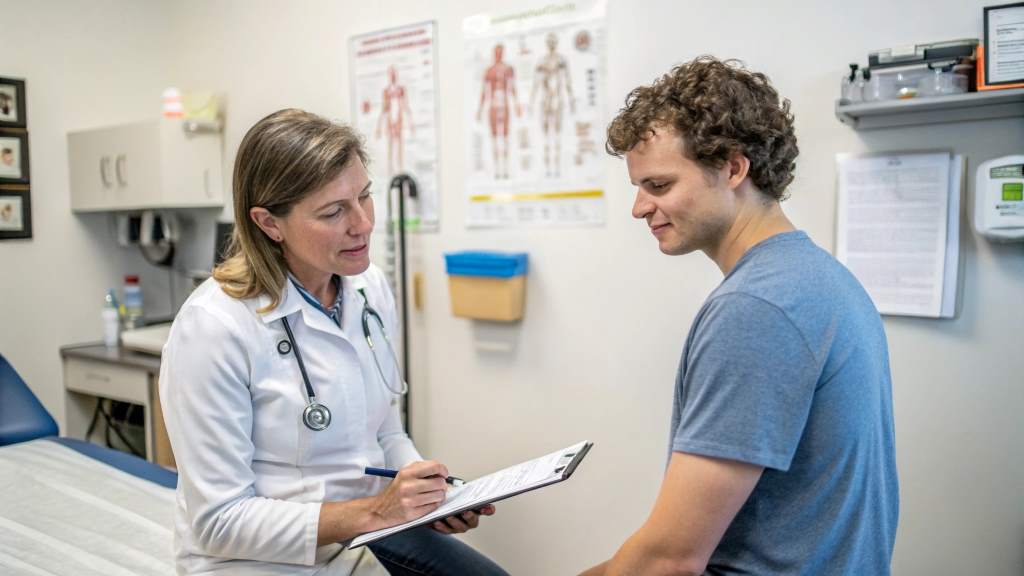
Factors Influencing Post-Therapy Exercise
Type of Injury Treated
- Tendinitis: Requires gradual reintroduction of movement.
- Plantar Fasciitis: Low-impact exercises like swimming are ideal.
- Muscle Tears: Strength training should be delayed until the tissue heals.
Intensity of Shockwave Therapy
Higher-intensity treatments may require longer rest periods before resuming exercise.
Individual Healing Response
Each person recovers differently. Some may feel immediate relief, while others experience temporary discomfort before improvement.
When Can You Resume Exercise?
Immediately After Treatment
Light movement such as walking is usually safe, but strenuous activities should be avoided.
24–48 Hours Post-Treatment
Mild stretching and low-impact exercises can be introduced if there is no pain or discomfort.
72 Hours and Beyond
Gradual return to normal training is possible. However, high-impact activities should only be resumed with professional guidance.
Best Exercises After Shockwave Therapy
1. Low-Impact Cardio
- Walking
- Swimming
- Cycling
2. Gentle Stretching
- Hamstring stretches
- Calf stretches
- Shoulder mobility exercises
3. Strength Training (After 72 Hours)
- Resistance bands
- Bodyweight exercises
- Light weightlifting
Exercises to Avoid
- High-impact sports (e.g., running, jumping)
- Heavy weightlifting (especially for affected muscles)
- Explosive movements (e.g., sprinting, plyometrics)
Explore Why Does My Face Get So Red When I Exercise?
Tips for a Safe Return to Exercise
- Listen to Your Body – Stop if you feel pain or discomfort.
- Stay Hydrated – Helps with tissue recovery.
- Use Proper Form – Reduces strain on treated areas.
- Progress Gradually – Increase intensity step by step.
- Follow Professional Advice – Consult a physical therapist if unsure.
Potential Risks of Exercising Too Soon
- Delayed Healing – Overuse can worsen inflammation.
- Increased Pain – Excessive strain may aggravate the injury.
- Reinjury – Weak tissues are vulnerable to damage.
Frequently Asked Questions
Is it safe to exercise immediately after shockwave therapy?
Light activities like walking are safe, but high-impact workouts should be avoided.
How long should I wait before running after shockwave therapy?
Typically, 5–7 days, but it depends on the severity of the condition treated.
Can shockwave therapy help with muscle recovery?
Yes, it stimulates blood flow and accelerates tissue repair.
What should I do if I experience pain after exercising post-therapy?
Rest, apply ice, and consult your healthcare provider.
Should I do physical therapy exercises after shockwave treatment?
Yes, but under professional supervision to ensure safety and effectiveness.
Conclusion
Exercise after shockwave therapy is beneficial, but it must be approached with caution. Gradual progression, listening to your body, and seeking professional advice are key to a successful recovery. Always prioritize healing before pushing your limits.