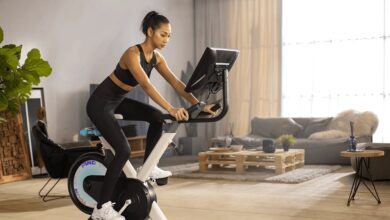
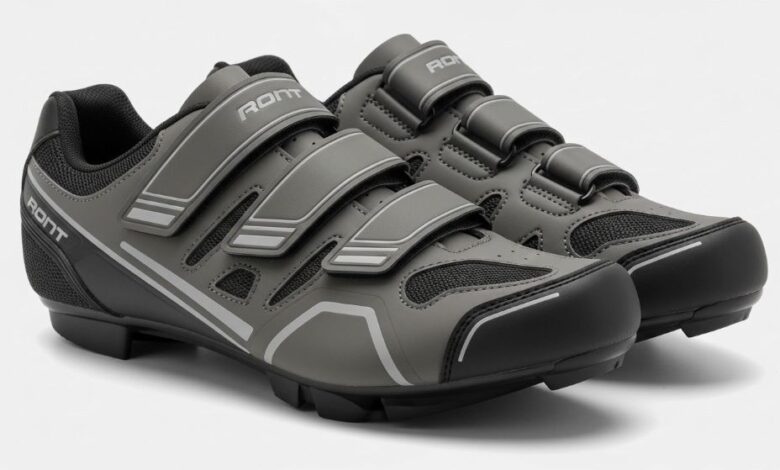
Getting into cycling can feel overwhelming when you start adding up the costs of all the necessary gear. While experienced riders might spend hundreds on premium footwear, newcomers often wonder if they really need to invest that much. The good news is that you can find excellent beginner bike shoes that won’t drain your wallet while still delivering solid performance.
Quality cycling shoes don’t have to cost a fortune. Understanding what features truly matter and which ones you can live without helps you make smart purchasing decisions. This comprehensive cycling shoe buying guide will show you exactly how to identify value cycling gear that meets your needs without compromising on essential performance characteristics.
Whether you’re commuting to work, enjoying weekend rides, or just starting to take cycling more seriously, the right shoes make a significant difference in comfort and efficiency. Let’s explore how to find affordable options that deliver real value.
Understanding What Makes Cycling Shoes Different
Before diving into shopping strategies, it’s helpful to understand why cycling shoes exist in the first place. Regular athletic shoes might seem adequate, but specialized cycling footwear offers specific advantages that improve your riding experience.
The stiff sole is the most important feature. Unlike running shoes that flex with every step, cycling shoes have rigid soles that transfer power directly to the pedals. This stiffness means more of your energy goes into moving the bike forward rather than flexing the shoe.
Cycling shoes also position your foot optimally on the pedal. The cleat mounting system or flat pedal interface ensures your foot stays in the right place throughout your pedal stroke. This consistent positioning reduces hot spots and improves efficiency over long rides.
Additionally, cycling shoes typically feature better ventilation than regular athletic shoes. Your feet generate significant heat during rides, and proper airflow prevents discomfort and reduces the risk of blisters.
The secure closure systems keep your feet stable inside the shoe. Whether using velcro straps, ratchet buckles, or dial systems, cycling shoes prevent your foot from sliding around, which improves control and comfort.
Clipless Versus Flat Pedal Shoes
One of your first decisions involves choosing between clipless and flat pedal shoes. This choice affects both your budget and your riding experience, so it’s worth understanding the differences.
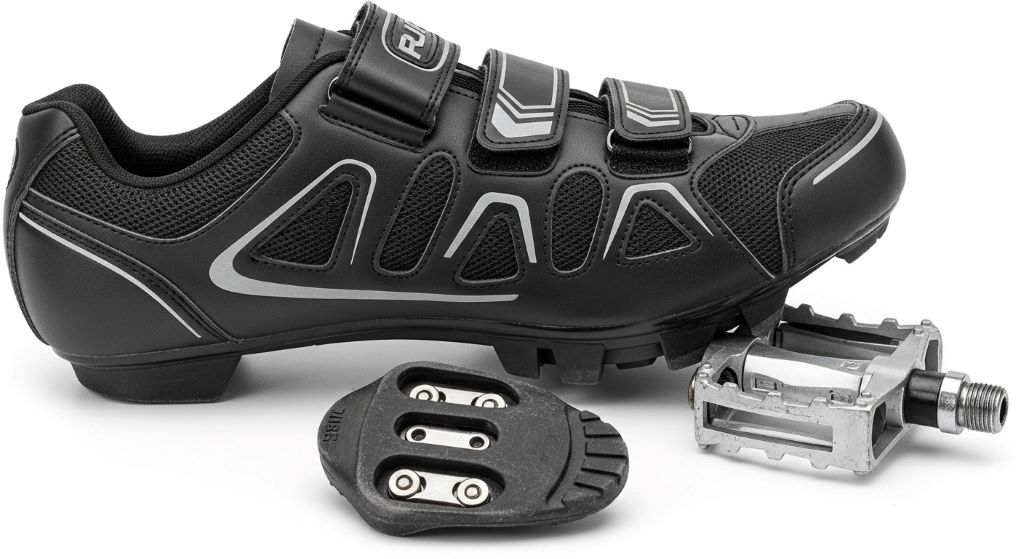
Clipless shoes use cleats that snap into matching pedals, creating a secure connection. Despite the name, your feet are actually clipped in. This system allows you to pull up on the pedals as well as push down, potentially improving efficiency. However, clipless systems require practice to use safely, and you’ll need to budget for both shoes and compatible pedals.
Flat pedal shoes look more like regular sneakers but feature specific soles designed to grip flat pedals. They’re easier for beginners to use since you can put your foot down instantly without unclipping. These shoes often work well for casual riding, commuting, and mountain biking where you might need to step off quickly.
For beginners on a budget, flat pedal shoes often make more sense initially. They’re typically less expensive, work with standard pedals, and don’t require learning the unclipping motion. You can always transition to clipless later as your skills and commitment grow.
However, if you’re starting with road cycling or plan to ride longer distances, clipless shoes might be worth the investment even as a beginner. The efficiency gains become more noticeable on longer rides.
Key Features Worth Paying For
When shopping for budget cycling shoes, certain features deserve your investment while others can be considered optional extras. Knowing the difference helps you allocate your limited budget wisely.
Sole stiffness ranks as the most critical feature. Even affordable shoes should have reasonably stiff soles, though they won’t match the carbon fiber stiffness of premium models. Look for shoes with nylon or composite soles rather than completely flexible rubber. The stiffness rating is sometimes indicated by numbers, with higher numbers meaning stiffer soles.
Proper ventilation keeps your feet comfortable during rides. Mesh panels or perforations allow airflow, preventing excessive sweating and overheating. This feature becomes especially important if you ride in warm climates or during summer months.
A secure fit prevents your foot from moving inside the shoe, which causes friction and hot spots. Look for shoes with at least two or three closure points. Multiple velcro straps work perfectly well and cost less than fancy dial systems.
Replaceable parts extend the life of your shoes. Heel pads that wear down should be replaceable. Some budget shoes skimp on this feature, meaning you’ll need to replace the entire shoe when the heel wears out.
Basic water resistance helps in light rain or wet conditions. While budget shoes won’t be fully waterproof, some water-resistant treatment or materials can make rides more pleasant in questionable weather.
Features You Can Skip as a Beginner
Premium cycling shoes include various features that enhance performance or convenience. However, many of these aren’t necessary when you’re starting out or shopping on a budget.
Carbon fiber soles offer maximum stiffness and minimum weight. They’re fantastic for serious riders but cost significantly more than composite alternatives. The performance difference is noticeable to experienced cyclists but less critical when you’re building fitness and skills.
Boa dial closure systems provide micro-adjustability and look sleek. They’re convenient but not essential. Velcro straps work perfectly well and are actually easier to replace if they wear out. Saving money here lets you invest in other important features.
Fancy ventilation systems with multiple air channels and exotic materials cool your feet marginally better than simple mesh panels. Unless you ride in extremely hot conditions, basic ventilation handles most situations adequately.
Heat-moldable liners create a custom fit by conforming to your foot shape. While nice to have, proper sizing and break-in time achieve similar comfort for most riders. This premium feature isn’t worth the extra cost for beginners.
Exotic materials and construction techniques reduce weight by grams. Professional racers obsess over these details, but recreational riders won’t notice a few extra ounces. Focus your budget on functional features rather than marginal weight savings.
Where to Find the Best Deals
Smart shopping strategies help you find quality shoes at budget-friendly prices. Knowing where and when to shop makes a significant difference in what you pay.
End-of-season sales offer tremendous value. Cycling shoes from last year perform just as well as current models but sell for significantly less. Fall and winter clearance sales are ideal times to find deals on summer shoes.
Online retailers often have lower prices than local bike shops due to reduced overhead. However, sizing can be tricky when buying online. Many online stores offer free returns, which helps mitigate this risk. Read the return policy carefully before purchasing.
Outlet stores and discount sporting goods retailers sometimes carry previous year’s models or discontinued colors at substantial savings. The shoes perform identically to full-price versions, you just might not get the latest color scheme.
Direct-to-consumer brands skip the traditional retail markup by selling only through their websites. Several companies now offer quality cycling shoes at lower prices by eliminating the middleman. Research these brands carefully and read reviews from actual users.
Used shoes can be an option if you’re extremely budget-conscious. However, shoes wear based on the previous owner’s foot shape and riding style. Inspect used shoes carefully for excessive wear, particularly on the soles and at stress points.
Getting the Right Fit
Proper fit matters more than fancy features. Ill-fitting shoes, regardless of price, cause discomfort and can lead to injury. Taking time to get the size right saves money and frustration.
Cycling shoes typically fit differently than your regular shoes. They’re designed to fit snugly since your feet swell slightly during long rides. Many brands run small, so you might need to size up compared to your street shoe size.
Try shoes on with the socks you’ll wear while riding. Cycling-specific socks are usually thinner than athletic socks, which affects fit. Your heel should stay locked in place without any lifting motion when you simulate pedaling.
Check for pressure points while trying on shoes. Your toes should have a bit of wiggle room, but shouldn’t slide forward when you push off. Pay attention to width as well as length. Some brands cater to narrow feet while others accommodate wider foot shapes.
Walk around in the shoes for several minutes if possible. They’ll feel stiffer than regular shoes, but shouldn’t cause pain or excessive pressure anywhere. Remember that some break-in period is normal, but shoes shouldn’t hurt right out of the box.
Consider the time of day when trying shoes. Your feet swell slightly throughout the day, especially after exercise. Try shoes on in the afternoon or evening for the most accurate fit.
Top Budget-Friendly Brands to Consider
Several manufacturers offer excellent entry-level shoes that balance quality and price effectively. While this isn’t an exhaustive list, these brands have established reputations for delivering value.
Shimano makes reliable cycling shoes across all price points. Their entry-level models feature solid construction, adequate stiffness, and good durability. The brand’s reputation for quality trickles down even to their most affordable options.
Giro offers beginner-friendly shoes with comfortable fits and straightforward designs. Their budget models skip premium features but maintain good build quality and performance where it counts.
Pearl Izumi has been making cycling gear for decades. Their affordable shoe lines provide reliable performance and typically offer good customer service if issues arise.
Specialized’s entry-level shoes deliver solid performance backed by extensive research and development. While not the absolute cheapest option, they often go on sale and provide excellent value.
Less expensive house brands from online retailers can offer surprising quality. Read reviews carefully and check the return policy, but don’t automatically dismiss unfamiliar names if they have positive user feedback.
Breaking In and Maintaining Your Shoes
Getting the most life from your budget shoes requires proper break-in and maintenance. These practices ensure your investment lasts as long as possible.
New shoes often feel stiff and might create pressure points initially. Wear them around the house for short periods before your first ride. This gentle break-in allows materials to soften and conform to your feet without the complications of being miles from home.
Start with shorter rides in new shoes. Gradually increase distance as the shoes break in and your feet adapt. This approach prevents blisters and identifies any fit issues while you’re still close to home.
Clean your shoes regularly, especially after riding in wet or muddy conditions. Dirt and grime break down materials faster and can damage closure systems. A quick wipe-down after rides and occasional deeper cleaning extend shoe life significantly.
Let shoes dry completely between rides. Remove insoles and loosen all closures to allow air circulation. Never put cycling shoes in a dryer or leave them in direct sunlight, as heat can warp materials and glues.
Check cleats regularly if you ride clipless. Worn cleats affect performance and can damage your shoes or pedals. Replace cleats before they’re completely worn out. This maintenance item costs far less than replacing shoes or pedals.
Store shoes in a cool, dry place away from direct sunlight. Extreme temperatures and UV exposure degrade materials over time, even when shoes aren’t being worn.
Knowing When to Upgrade
Even the best budget shoes won’t last forever. Understanding when to replace or upgrade helps you time your purchase strategically and avoid riding in shoes that no longer perform adequately.
Visible sole wear, particularly on clipless shoes, indicates it’s time for replacement. If the sole is worn through to the cleat mounting area or shows significant grinding on walking surfaces, the structural integrity is compromised.
Closure systems that no longer hold securely mean the shoes can’t keep your feet stable. Velcro that won’t stick, broken buckles, or stripped dial mechanisms can sometimes be repaired, but often signal that replacement is due.
Persistent discomfort that wasn’t present when the shoes were new suggests the shoes have broken down. Materials compress over time, and what once fit perfectly may no longer provide adequate support.
If you’ve significantly increased your riding distance or frequency, you might benefit from upgrading to stiffer, more performance-oriented shoes. However, make sure your current shoes are actually limiting your performance before upgrading.
Changes in your riding style might warrant different shoes. Moving from casual riding to road cycling, or from road to mountain biking, often requires different footwear optimized for those disciplines.
Making Your Budget Work Harder
Smart strategies help you maximize value from your cycling shoe purchase. These approaches ensure you get the most performance per dollar spent.
Consider buying slightly better shoes on sale rather than lower-end shoes at full price. A mid-range shoe marked down 40 percent often delivers better value than an entry-level shoe at regular price.
Package deals sometimes offer savings if you’re also buying pedals or other gear. Some retailers bundle compatible shoes and pedals at a discount, though verify you’re actually saving money rather than just buying things you don’t need.
Look for manufacturers’ coupons or retailer discount codes before purchasing. Many online stores offer first-time buyer discounts or email signup bonuses. A simple search can save you 10 to 20 percent.
Consider your long-term cycling goals when budgeting. If you’re highly committed to cycling, investing slightly more in shoes that will serve you for years makes more sense than buying the absolute cheapest option that might need replacing sooner.
Don’t forget to budget for essential accessories like cleats, proper socks, and potentially pedals if you’re going clipless. Factor these costs into your total budget rather than being surprised after buying shoes.
Join cycling forums or local clubs where members often share information about sales and deals. Experienced cyclists can also provide recommendations for budget-friendly options that perform well.
Conclusion
Finding quality cycling shoes on a budget is entirely possible when you understand which features matter most and where you can save money. The key lies in prioritizing sole stiffness, proper fit, and basic functionality over premium materials and advanced features that primarily benefit experienced racers.
Smart shopping strategies, including timing purchases for end-of-season sales and considering direct-to-consumer brands, help stretch your budget further. Remember that proper fit trumps every other consideration, so invest time in finding shoes that match your foot shape and intended use.
Whether you’re looking at beginner bike shoes for your first rides or seeking value cycling gear as you develop your skills, numerous options exist that won’t compromise your experience or safety. This cycling shoe buying guide should help you navigate the market confidently and make informed decisions.
Take care of your shoes through proper break-in, regular maintenance, and appropriate storage. These practices maximize the lifespan of your investment. As your skills and commitment grow, you’ll have a better understanding of what features you value most, informing future upgrade decisions.
Quality cycling shoes enhance your riding experience through better power transfer, improved comfort, and appropriate support. By focusing on essential features and shopping strategically, you can enjoy these benefits without spending a fortune. Start your search with realistic expectations, do your research, and don’t be afraid to ask experienced cyclists for recommendations tailored to your budget and riding style.
Frequently Asked Questions
How much should I expect to spend on good budget cycling shoes?
Quality entry-level cycling shoes typically range from 50 to 100 dollars for flat pedal options and 75 to 150 dollars for clipless models. These price points deliver solid performance, adequate stiffness, and decent durability without premium features. Sales and discounts can bring prices even lower. Anything under 50 dollars often sacrifices important features like sole stiffness or build quality, though exceptions exist. Set your budget based on how frequently you plan to ride and your long-term cycling goals.
Can I use mountain bike shoes for road cycling or vice versa?
Mountain bike shoes work reasonably well for road cycling, especially for beginners or casual riders. They use a different cleat system and are easier to walk in due to recessed cleats. Road shoes, however, don’t work well for mountain biking because the protruding cleats make walking difficult and dangerous, and they lack the traction needed for off-bike sections. If you’re only buying one pair and do mixed riding, mountain bike shoes offer more versatility, though dedicated road riders will eventually want road-specific shoes for the performance benefits.
How long should budget cycling shoes last?
With proper care and regular use, quality budget cycling shoes should last one to three years. Actual lifespan depends on riding frequency, terrain, how much walking you do in them, and maintenance practices. Riders who cycle several times weekly might need replacement sooner than occasional weekend riders. Signs it’s time to replace include worn-through soles, failed closure systems, compressed padding, or persistent discomfort. Rotating between two pairs extends the life of both by allowing them to dry completely between uses.
Do I really need cycling-specific shoes as a beginner?
While you can ride in regular athletic shoes, cycling-specific shoes significantly improve comfort and efficiency, even for beginners. The stiff soles reduce foot fatigue on rides longer than 30 minutes and improve power transfer. However, if you’re only cycling occasionally or for very short trips, regular shoes might suffice initially. Most riders who continue cycling quickly realize the benefits of proper shoes and wish they’d invested sooner. Starting with flat pedal cycling shoes offers a good compromise between performance and ease of use.
What’s the difference between expensive and budget cycling shoes?
Premium shoes typically feature stiffer carbon fiber soles, lighter overall weight, more advanced closure systems, better ventilation, and higher-quality materials throughout. They’re designed for serious athletes where marginal gains matter. Budget shoes use heavier composite or nylon soles, simpler closures, and more basic materials but still provide the essential benefits of cycling footwear. For recreational riders and beginners, the performance difference rarely justifies the price premium. As you advance and your riding becomes more focused, you’ll better understand which premium features matter to you personally.
Related Topics:
Caber Sport Historical Origins and Evolution Guide
Top 10 Budget Mountain Bikes Under $500 in 2025