
Racquet sports offer excellent cardiovascular workouts and competitive fun. However, players often wonder which sport carries greater injury risks. Both squash and racquetball involve fast-paced movement in enclosed courts, but their injury profiles differ in important ways. Understanding these differences helps athletes make informed decisions about their preferred sport.
Understanding the Basic Differences
Squash and racquetball share similarities but differ in court size, equipment, and gameplay. Squash courts measure smaller at 32 feet long and 21 feet wide. Racquetball courts extend to 40 feet in length and 20 feet in width. Additionally, squash uses a smaller, slower ball compared to racquetball’s larger, bouncier ball. These fundamental differences directly impact injury patterns.
The pace of play varies significantly between sports. Racquetball balls travel faster, often exceeding 150 miles per hour during serves. Conversely, squash balls move slower but require more precision. Players must adjust their positioning and reaction times accordingly. Therefore, each sport presents unique physical demands on athletes.
Common Injuries in Squash
Squash players face specific injury risks related to the sport’s characteristics. Eye injuries represent a serious concern in squash. The small ball can strike players unexpectedly, especially during close-quarters play. Furthermore, the ball’s unpredictable bounce off walls increases collision risks. Many squash organizations now mandate protective eyewear for this reason.
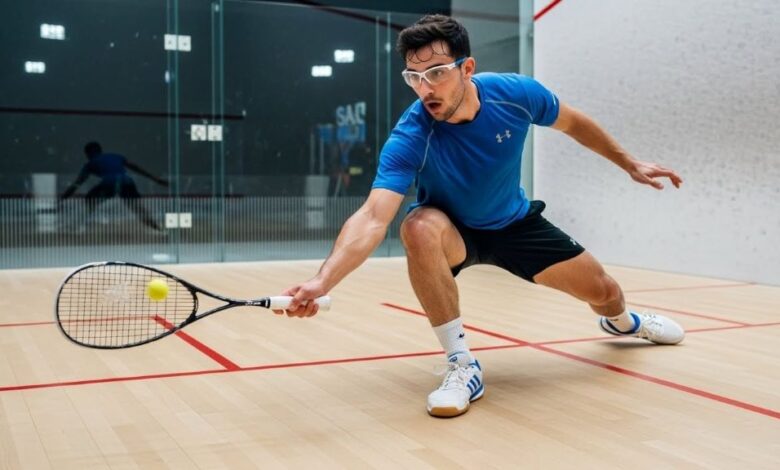
Lower body injuries occur frequently in squash. The sport demands quick directional changes and lunging movements. Ankle sprains happen when players pivot suddenly or land awkwardly. Knee injuries develop from repetitive twisting motions and deep lunges. Additionally, calf strains affect players who push off aggressively during rallies.
Overuse injuries also plague squash athletes. Tennis elbow, despite its name, affects squash players regularly. The repetitive swinging motion strains forearm muscles and tendons. Shoulder problems emerge from overhead shots and serving motions. Moreover, lower back pain results from the forward-leaning posture required during play.
Common Injuries in Racquetball
Racquetball presents its own set of injury challenges. Eye injuries remain the most serious risk in racquetball. The ball travels at extremely high speeds, making it difficult to track. According to the American Academy of Ophthalmology, racquetball causes thousands of eye injuries annually. Protective eyewear significantly reduces this risk.
Muscle strains occur frequently in racquetball. The explosive movements required for quick returns stress muscles throughout the body. Hamstring pulls happen during sudden accelerations. Shoulder rotator cuff injuries develop from powerful serving motions. Similarly, wrist sprains result from improper grip or awkward ball contact.
Contact injuries pose unique risks in racquetball. Players occasionally collide with opponents in the smaller playing space. Racquet strikes can occur when players swing simultaneously. Additionally, players sometimes hit themselves with their own racquets during follow-through motions. These incidents, while less common, can cause significant injuries.
Comparing Impact and Collision Risks
Both sports involve collision risks, but the nature differs. Squash courts feature walls on all four sides, including the back wall. Players must position themselves carefully to avoid wall contact. However, the smaller court size means players stand closer together. This proximity increases the chance of player-to-player contact.
Racquetball courts provide more space but faster ball speeds. The ball’s velocity creates greater impact force during unintentional strikes. Nevertheless, the additional court space allows better separation between players. Therefore, while ball-related injuries may be more severe, player collisions happen less frequently than in squash.
The ceiling comes into play during racquetball, adding another dimension. Players must track the ball overhead, which can lead to disorientation. Squash eliminates this concern with its tin and front wall focus. Consequently, each sport requires different spatial awareness skills.
Injury Severity and Frequency Comparison
Research indicates both sports carry moderate injury risks. Squash shows higher rates of lower extremity injuries. The constant lunging and directional changes stress ankles and knees significantly. Additionally, the forward-bent posture contributes to chronic back problems among regular players.
Racquetball demonstrates higher rates of acute traumatic injuries. The faster ball speed increases the severity of impact injuries. Eye injuries, when they occur, tend to be more serious in racquetball. However, proper protective equipment dramatically reduces these risks.
Overuse injuries affect both sports similarly. Repetitive motion injuries develop in players who practice frequently. Tennis elbow, shoulder tendinitis, and wrist problems cross both sports. Therefore, proper technique and adequate rest become essential for injury prevention.
Age and Skill Level Factors
Age significantly influences injury patterns in racquet sports. Younger players typically suffer more acute injuries from aggressive play. Older athletes experience more overuse and degenerative injuries. Additionally, flexibility and reaction time decline with age, increasing fall risks.
Skill level plays a crucial role in injury prevention. Beginners often use improper technique, stressing joints unnecessarily. Intermediate players may overestimate their abilities and push too hard. Advanced players generally demonstrate better form but face overuse risks from frequent play.
Physical conditioning affects injury susceptibility dramatically. Well-conditioned athletes withstand the demands of both sports better. Weakness in supporting muscles increases joint stress. Furthermore, poor cardiovascular fitness leads to fatigue, which compromises form and increases injury risks.
Prevention Strategies for Both Sports
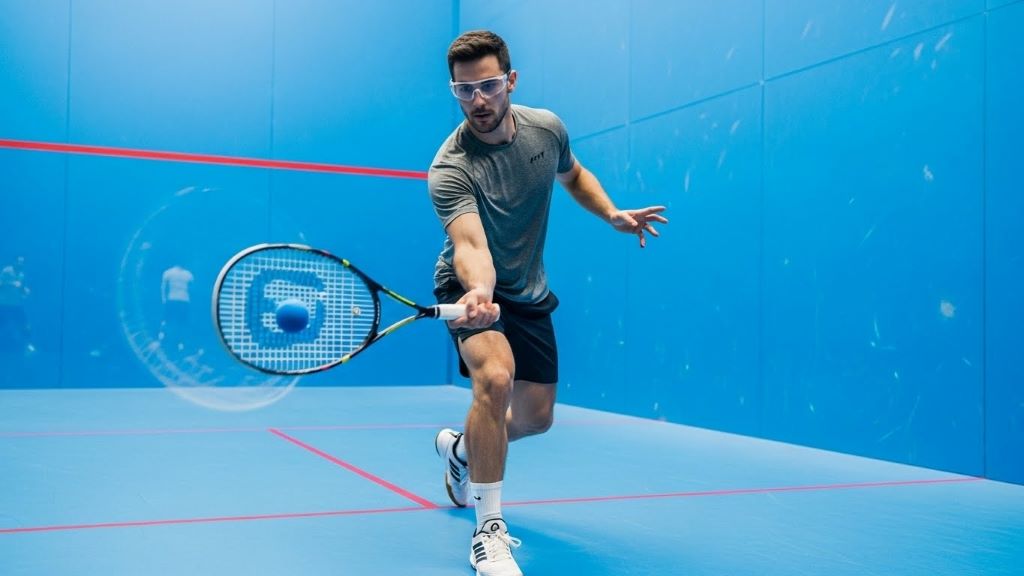
Protective equipment provides the first line of defense. Eye protection remains absolutely essential for both sports. Quality goggles designed specifically for racquet sports prevent most eye injuries. Additionally, proper footwear with good ankle support reduces lower extremity injuries.
Warm-up routines prepare the body for intense activity. Dynamic stretching increases muscle flexibility and blood flow. Gradual intensity progression allows muscles to adapt safely. Moreover, cool-down periods help prevent muscle soreness and stiffness.
Technique refinement reduces injury risks substantially. Working with qualified coaches ensures proper form. Correct stroke mechanics distribute stress evenly across joints. Similarly, appropriate footwork patterns minimize awkward movements and falls.
Physical conditioning strengthens vulnerable areas. Core exercises improve stability and reduce back injuries. Leg strengthening protects knees and ankles during quick movements. Additionally, rotator cuff exercises support shoulder health during overhead motions.
Court Safety Considerations
Court maintenance affects injury rates in both sports. Proper lighting helps players track the ball effectively. Clean, dry floors prevent slips and falls. Furthermore, well-maintained walls ensure predictable ball bounces.
Court rules promote safety during competitive play. Interference rules protect players from dangerous situations. Let calls allow replays when safety concerns arise. Additionally, timeout provisions let players address equipment issues safely.
Playing environment impacts injury risks beyond the court itself. Adequate spacing between courts prevents interference from adjacent games. Proper ventilation maintains comfortable temperatures and reduces fatigue. Moreover, accessible first aid supplies enable quick response to injuries.
Long-Term Health Implications
Chronic injuries develop from repeated stress over time. Joint degeneration can occur in dedicated players. Knee arthritis may develop from years of quick direction changes. Similarly, shoulder problems can persist long after active play ends.
However, both sports offer significant health benefits. Cardiovascular fitness improves dramatically with regular play. Bone density increases from weight-bearing activity. Additionally, mental health benefits include stress reduction and social connection.
Balancing play intensity with recovery prevents long-term problems. Rest days allow tissues to repair and strengthen. Cross-training reduces repetitive stress on specific body parts. Furthermore, listening to pain signals prevents minor issues from becoming serious injuries.
Conclusion
Both squash and racquetball present injury risks that athletes should understand. Squash tends toward lower extremity and overuse injuries due to constant lunging and compact court size. Racquetball shows higher rates of acute injuries, particularly eye injuries, because of extreme ball speeds. However, both sports can be played safely with proper precautions.
Protective eyewear remains non-negotiable for both activities. Proper conditioning, technique, and equipment significantly reduce injury risks. Therefore, athletes who respect these safety measures can enjoy either sport for years. Ultimately, the choice between squash and racquetball should consider personal preference alongside injury profiles.
Frequently Asked Questions
Which sport has more eye injuries, squash or racquetball?
Racquetball historically shows higher rates of serious eye injuries due to faster ball speeds. However, both sports carry significant eye injury risks. Protective eyewear dramatically reduces these risks in both activities and should be worn during all play.
Can older adults safely play squash or racquetball?
Yes, older adults can safely participate in both sports with appropriate modifications. Reduced intensity, longer warm-ups, and proper conditioning help prevent injuries. Additionally, regular players should monitor joint health and adjust activity levels as needed.
Is protective eyewear really necessary for recreational play?
Absolutely. Eye injuries can occur at any skill level and during casual games. The potential for permanent vision damage makes protective eyewear essential. Quality sport-specific goggles provide protection without significantly impacting performance.
Which sport causes more knee injuries?
Squash typically results in more knee injuries due to frequent lunging and pivoting movements. The smaller court requires more directional changes, stressing knee joints repeatedly. However, proper technique and conditioning can minimize knee injury risks in both sports.
How can beginners minimize injury risk when starting these sports?
Beginners should invest in proper lessons to learn correct technique from the start. Quality protective equipment, especially eyewear, remains essential. Additionally, gradual progression in intensity allows the body to adapt safely to sport demands.
Related Topics:
What is a Breakfast Ball in Golf? A Complete Guide to This Fun Golf Tradition
Why Do People Wear Golf Hats? The Surprising Reasons Behind This Trend


